

Friday, October 31, 2014

The Stora Hotel, Jönköping
For my TDWG 2014 meeting, I stayed at the fabulous Stora Hotel in Jönköping. You can read a bit more about the city and the hotel in this 1931 guidebook: Jönköping: Staden Forr Och Nu by Master Gudmunds Gille [The City then and now]. c.1931
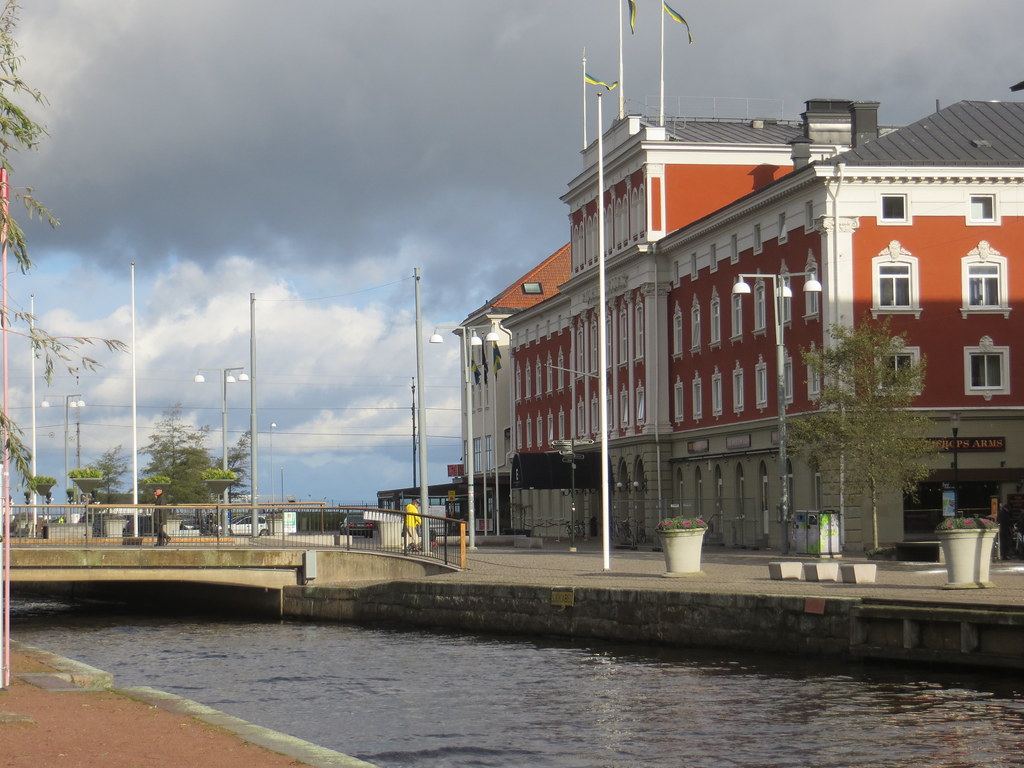
QotD: " In the neighbourhood are the two picturesque towns of Jonkoping and Grenna."
"In the neighbourhood are the two picturesque towns of Jonkoping and Grenna. Jonkoping, which exports its matches even to Japan, has an extensive park on the shores of lake Wettern from which a magnificent view is obtained." Things seen in Sweden (1915) by W. Barnes Steveni
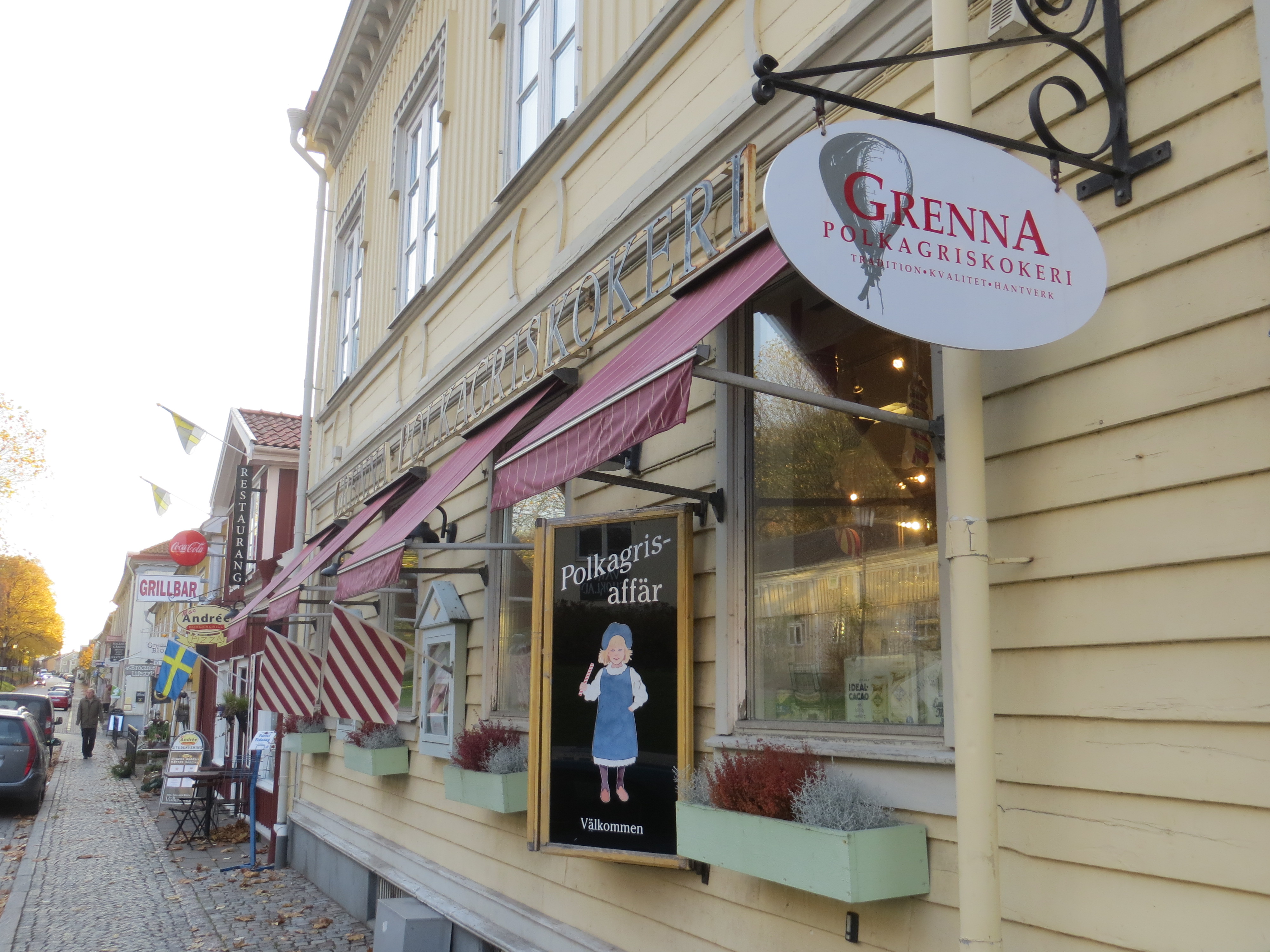 |
| Gränna |
 |
| Jönköping |

That's "chepping" as in Jönköping
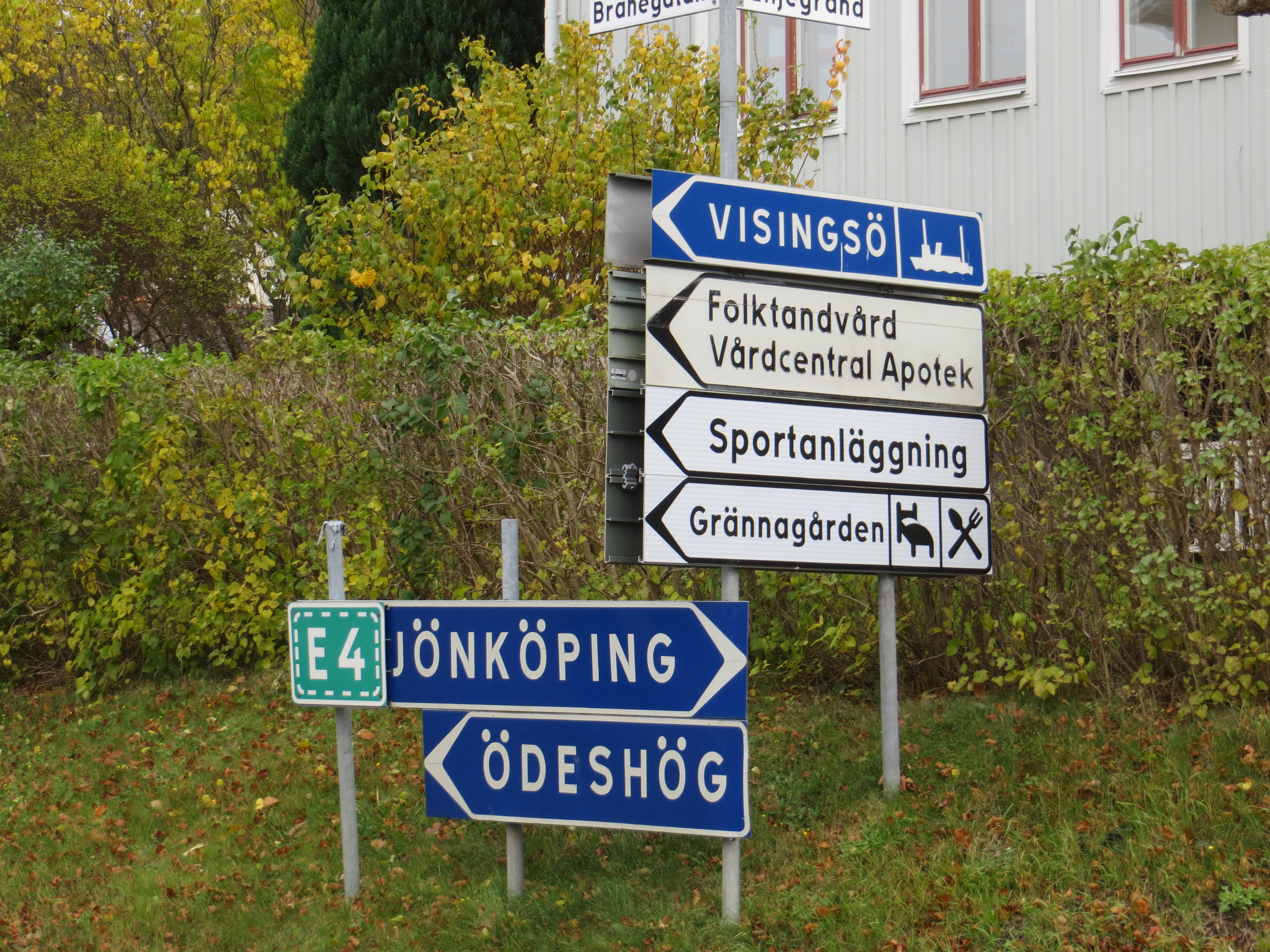 "Going through another portion of the artificial canal, the boat enters the Roxen Lake, perhaps the most beautiful in Sweden, and makes a landing at Linkoping. There are half a dozen towns with this termination in the country, as Norrkoping, Soderkoping, Jonkoping, the last two syllables being pronounced like chepping; as, Lin-chep-ping." Up the Baltic; or, Young America in Norway, Sweden, and Denmark. A story of travel and adventure (1871) by William T. Adams, p.303

Thursday, October 30, 2014
Through the Fields with Linnæus: A Chapter in Swedish History by Florence Cady (1887)
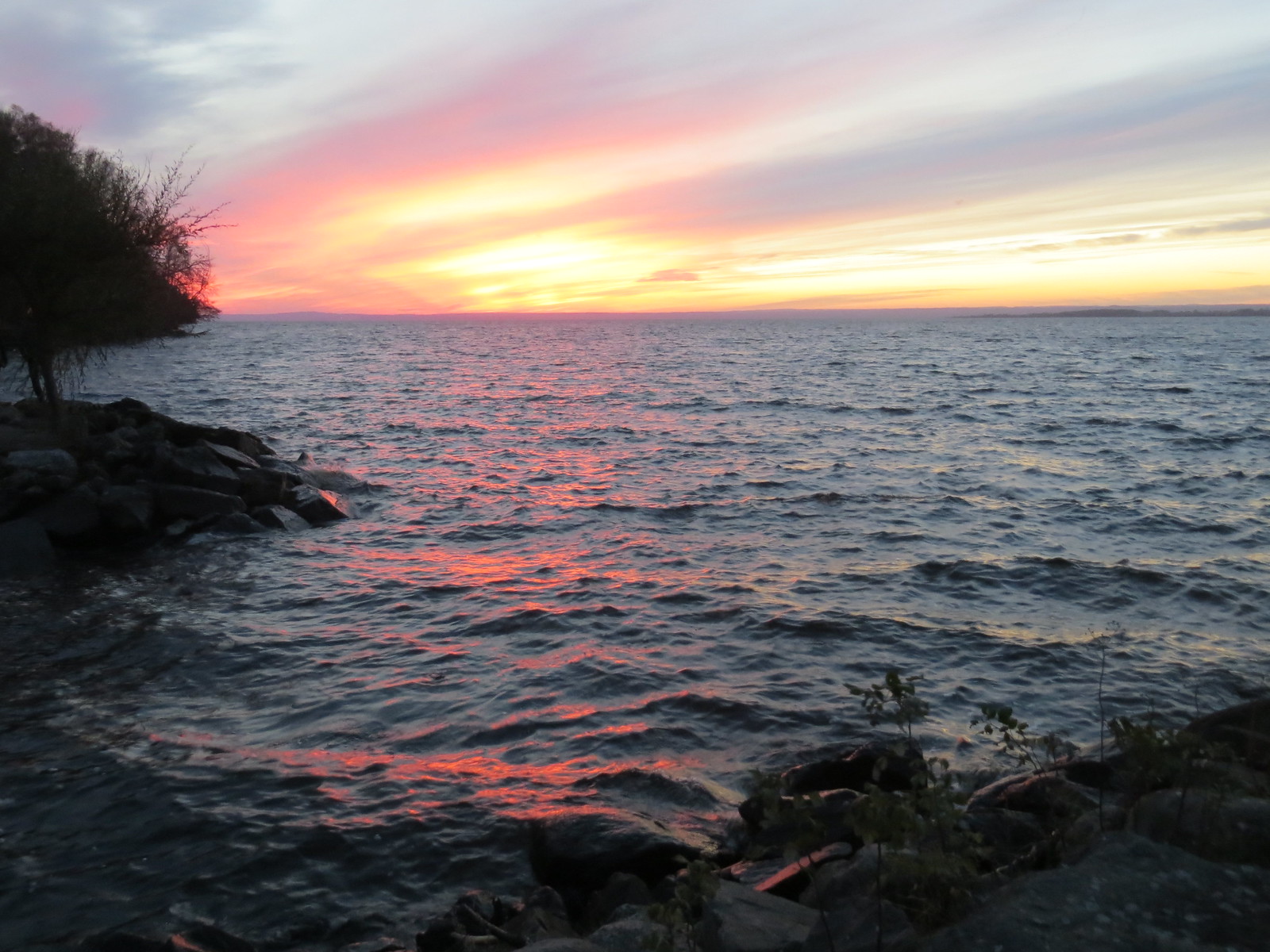 "Most travellers, poor, hurried, and unencumbered as he was, would have selected the more direct route by Jönköping up the Vettern and Hjalmar lakes, whence a short road across country would bring them to the Malar, giving direct water communication to the very quays of Upsala. I can only account for Carl's choosing the longer and more expensive route by his considering the land journey would afford him better opportunities for study on the road." (Volume 1, p.86)
 "Carl sailed down the rough blue Lake Vetter to Jönköping. He did not linger to enjoy the pleasant promenades of Jönköping by the lake, nor to ascend Dunkellar Hill with its beautiful views, where now are numerous villas with well-planted gardens, testifying to the profits of the roofing-paper and match-making trades ; nor was he tempted by the merely picturesque charms and waterfalls of Husquarna. But the famous iron-mountain of Taberg did not lie much out of his way at least not in his mode of travelling, which was
very frequently on foot. So leaving the high-road, which even at that date we may assume to have been a bridle-path, he bore away westward, following the course of the stream flowing from Taberg into the Vetter, and ascended Taberg at about eight English miles south of Jönköping, from which height, 1,096 feet, he gained a grand survey of the forests of Småland and investigated the iron-mines, which had a special interest for him after his mining studies in Dalecarlia. This celebrated iron-mountain, with a few others found in Lapland, are the only ones in Europe where the ore is broken or blasted above ground. Taberg was doubtless the attraction that determined his route to Holland this way; and also the wish to revisit his home, to which his memory always affectionately clung." (Volume 1, pp.260-61)
"Carl sailed down the rough blue Lake Vetter to Jönköping. He did not linger to enjoy the pleasant promenades of Jönköping by the lake, nor to ascend Dunkellar Hill with its beautiful views, where now are numerous villas with well-planted gardens, testifying to the profits of the roofing-paper and match-making trades ; nor was he tempted by the merely picturesque charms and waterfalls of Husquarna. But the famous iron-mountain of Taberg did not lie much out of his way at least not in his mode of travelling, which was
very frequently on foot. So leaving the high-road, which even at that date we may assume to have been a bridle-path, he bore away westward, following the course of the stream flowing from Taberg into the Vetter, and ascended Taberg at about eight English miles south of Jönköping, from which height, 1,096 feet, he gained a grand survey of the forests of Småland and investigated the iron-mines, which had a special interest for him after his mining studies in Dalecarlia. This celebrated iron-mountain, with a few others found in Lapland, are the only ones in Europe where the ore is broken or blasted above ground. Taberg was doubtless the attraction that determined his route to Holland this way; and also the wish to revisit his home, to which his memory always affectionately clung." (Volume 1, pp.260-61) "A change came over his manner of travelling as Linnaeus hastened homewards, not stopping nor diverging to rest at great houses. He travelled by way of Jönköping and Lake Vettern and Motala, across-country, as quick as horse and sail could carry him, to Westerns, eating, as he laughingly said, his breakfast overnight that he might be ready to start the earlier in the morning." (Volume 2, p.272)
QotD: A hot afternoon sun was scorching the pavements of the provincial town X-köping. - Strindberg
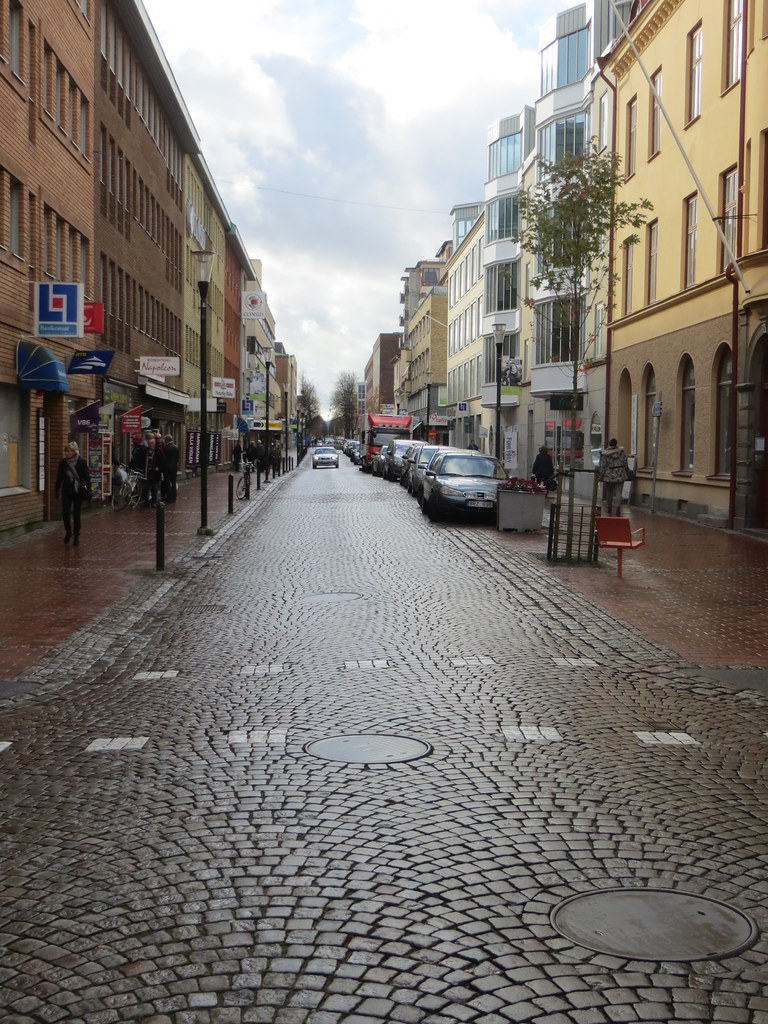 There are a whole long string of X-köping towns and cities west and southwest of Stockholm. I visited Jönköping, but it was not a hot afternoon, but the day of these pictures was the warmest!
"A hot afternoon sun was scorching the pavements of the provincial town X-köping. The large vaults of the town hall were still deserted; fir branches were scattered all over the floor, and it smelt of a funeral. The graduated liqueur bottles stood on the shelves, having an afternoon nap, opposite the brandy bottles which wore the collars of their orders round their necks and were on leave until the evening; the clock, which could never take a nap, stood against the wall like a tall peasant, whiling away the time by contemplating, apparently, a huge playbill, impaled on a clothes peg close by." August Strindberg, The Red Room (1879)


Wednesday, October 29, 2014


Tuesday, October 28, 2014


QotD: "So when you're near me, darling can't you hear me S. O. S." in honor of Jönköping's favorite daughter, Agnetha Fältskog
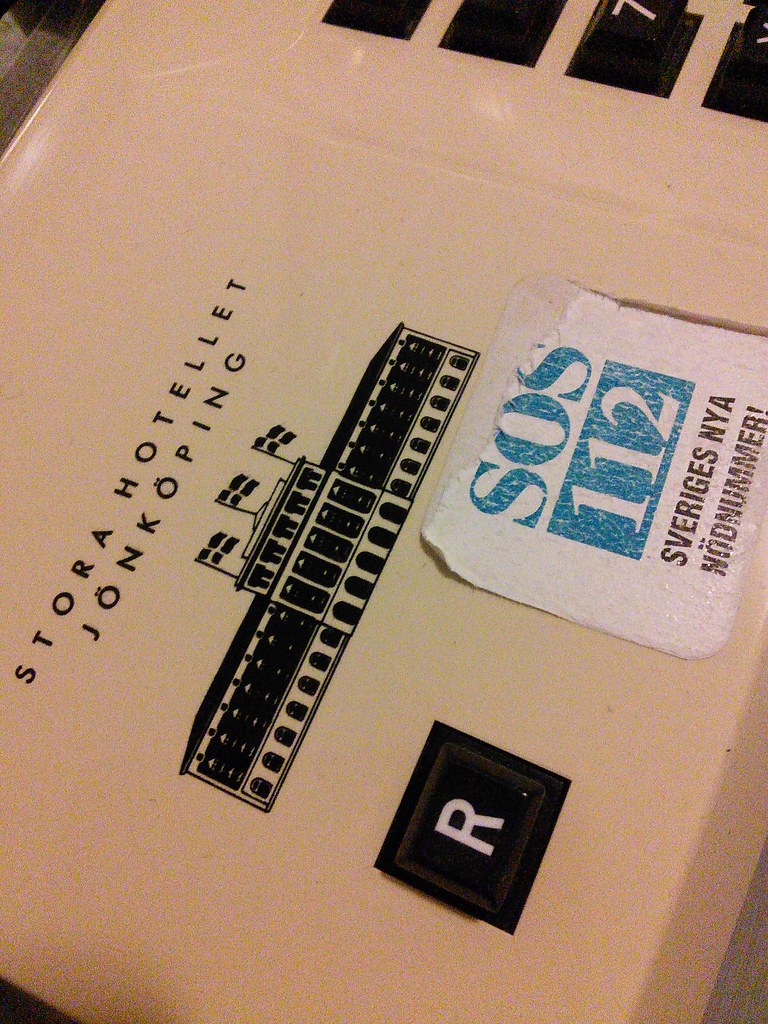 So, Jönköping may be famous for its conference center, but an even bigger claim to fame is that it is the birthplace of 1/2 of the "AA" in ABBA! Yes, Agnetha Fältskog is a native!
I can't but help think that the SOS sticker on the phone here in the Stora Hotel is a subtle homage to Agnetha who sang lead on the song! I might also add that this is my favorite of the peppy ABBA songs ("Name of the Game" in the ballad category). Quirky fact: "S.O.S." is the only Australian #1 where both the title and the artist are palindromes.
Where are those happy days, they seem so hard to find
I tried to reach for you, but you have closed your mind
Whatever happened to our love?
I wish I understood
It used to be so nice, it used to be so good
So when you're near me, darling can't you hear me
S. O. S.
The love you gave me, nothing else can save me
S. O. S.
When you're gone
How can I even try to go on?
When you're gone
Though I try how can I carry on?
From Wikipedia:"Agnetha Fältskog (known as Anna in some countries) was born in Jönköping, Småland, Sweden on 5 April 1950. She was the first of two daughters of department store manager Knut Ingvar Fältskog (1922–1995) and his wife Birgit Margareta Johansson (1923–1994)."


Monday, October 27, 2014

Tomas Tranströmer on the @Naturhistoriska (Natural History Museum, Stockholm)
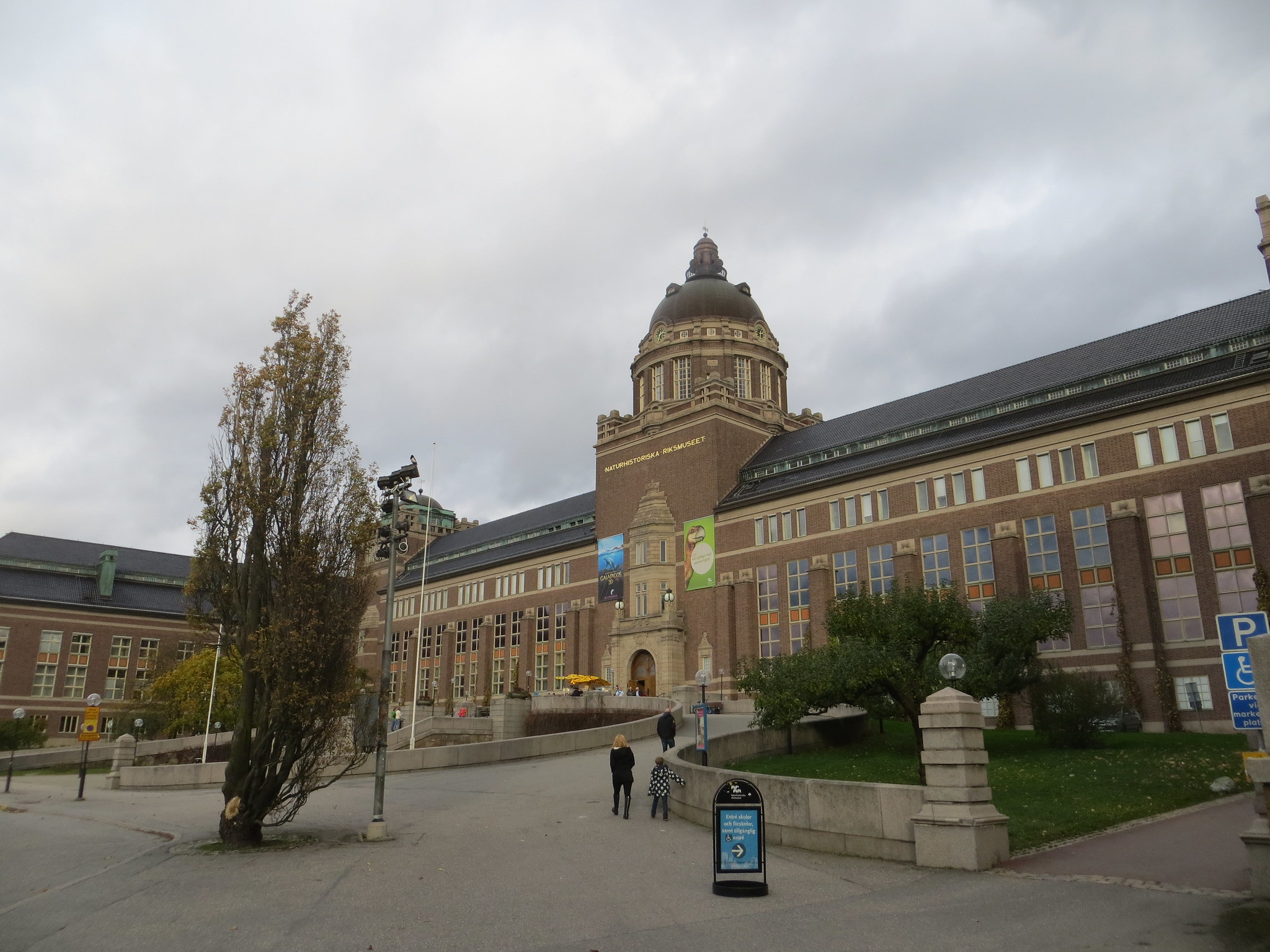 2011 Nobel Prize winner, poet, psychologist, translator, Tomas Tranströmer wrote an evocative description of the Natural History Museum (Stockholm) in his memoir, Memories Look at Me (1993). More about him on his website.
I had the opportunity to visit the museum (all to briefly) on my way to the TDGW 2014 meeting. We had some short meetings at the museum and then boarded a bus for Jönköping.
As a child I was attracted to museums. First, the Natural History Museum. What a building! Gigantic, Babylonian, inexhaustible! On the ground floor, hall after hall of stuffed mammals and birds thronged in the dust. And the arches, smelling of bones, where the whales hung from the roof. Then one floor up: the fossils, the invertebrates.
* * *
At the entrance, two elephant skeletons met the visitor. They were the two guardians of the gateway to the miraculous. They made an overwhelming impression on me and I drew them in a big sketchbook.
* * *


When we decided to make a day of it we would finish up in Stockholm Central Station, which was nearby, and watch the trains come steaming in, life-sized.
* * *
Finally arriving, I would be greeted by the elephant skeletons. I often went directly to the “old” part, the section with animals that had been stuffed back in the eighteenth century, some of them rather clumsily prepared, with swollen heads. Yet there was a special magic here. Big artificial landscapes with elegantly designed and positioned animal models failed to catch my interest — they were make-believe, something for children.
* * *


The scientific method I was closest to was the Linnean: discover, collect, examine.
* * *
I would work slowly through the museum. Long pauses among the whales and in the paleontology rooms. And then what detained me most: the invertebrates.
Memories Look at Me: A Memoir (1993) by Tomas Tranströmer


Sunday, October 26, 2014
"Linnaeus died ... The remains of this celebrated man were interred at Upsala Cathedral" #Uppsala
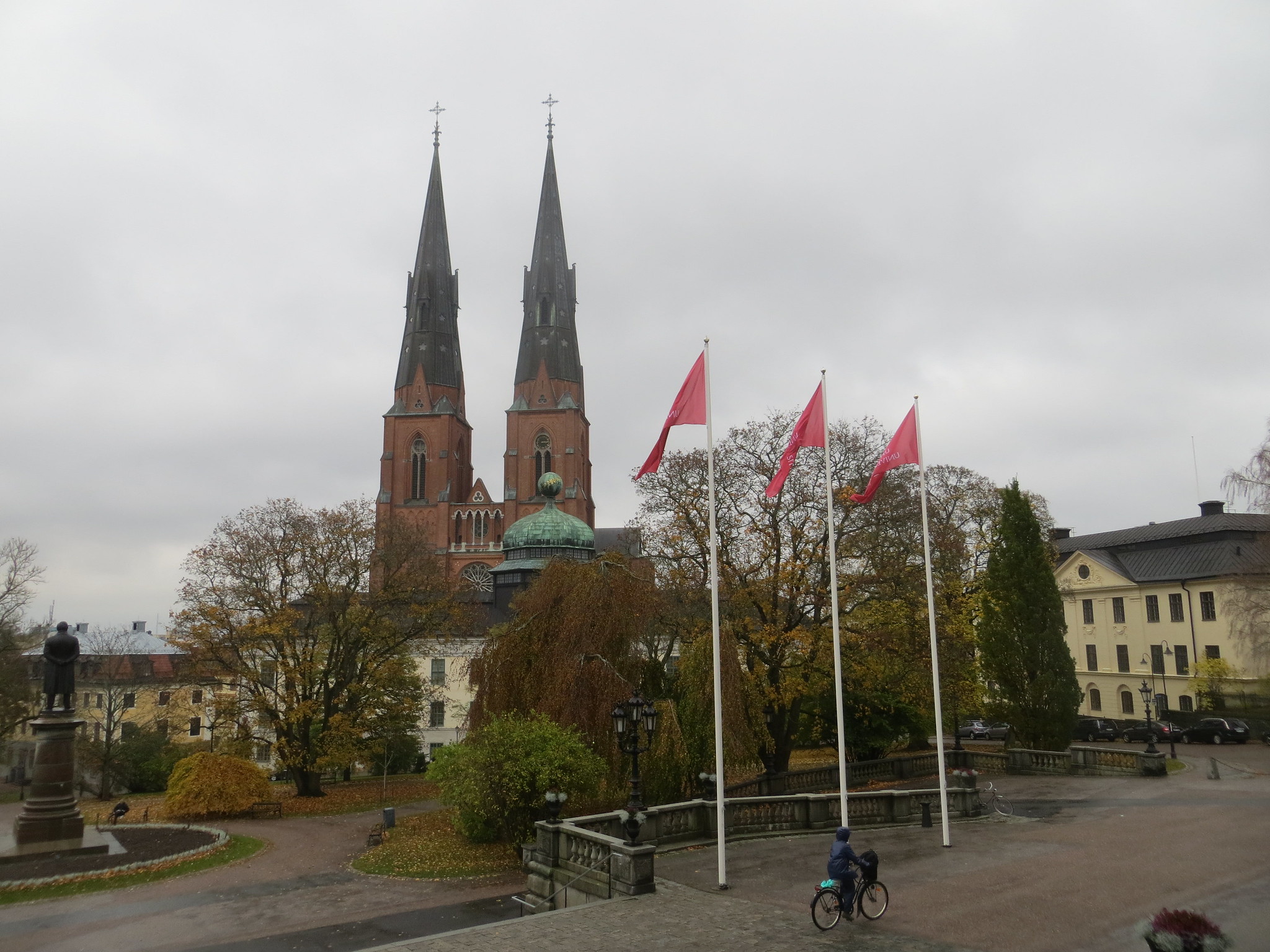 "Linnaeus died on January 10, 1778, "aged seventy, seven months and seven days, with the nation to guard his good name." The remains of this celebrated man were interred at Upsala Cathedral, and the funeral procession was composed of members of the whole university, the pall being supported by sixteen doctors of physic, all of whom had been his pupils. A general mourning took place at Upsala, and the king, Gustavus III., ordered a medal to be struck expressive of the public loss, one side of which exhibits the bust of the great naturalist, with his name; the reverse shows Cybele in an attitude of grief, holding in her left hand a key, and surrounded by animals and plants." Through the Fields with Linnæus: A Chapter in Swedish History by Florence Cady (1887), Volume 2, p.370
QotD: "Though this garden would have had a very different aspect in Linnaeus's time, it is too small to have ever been a regular botanical garden" #Uppsala
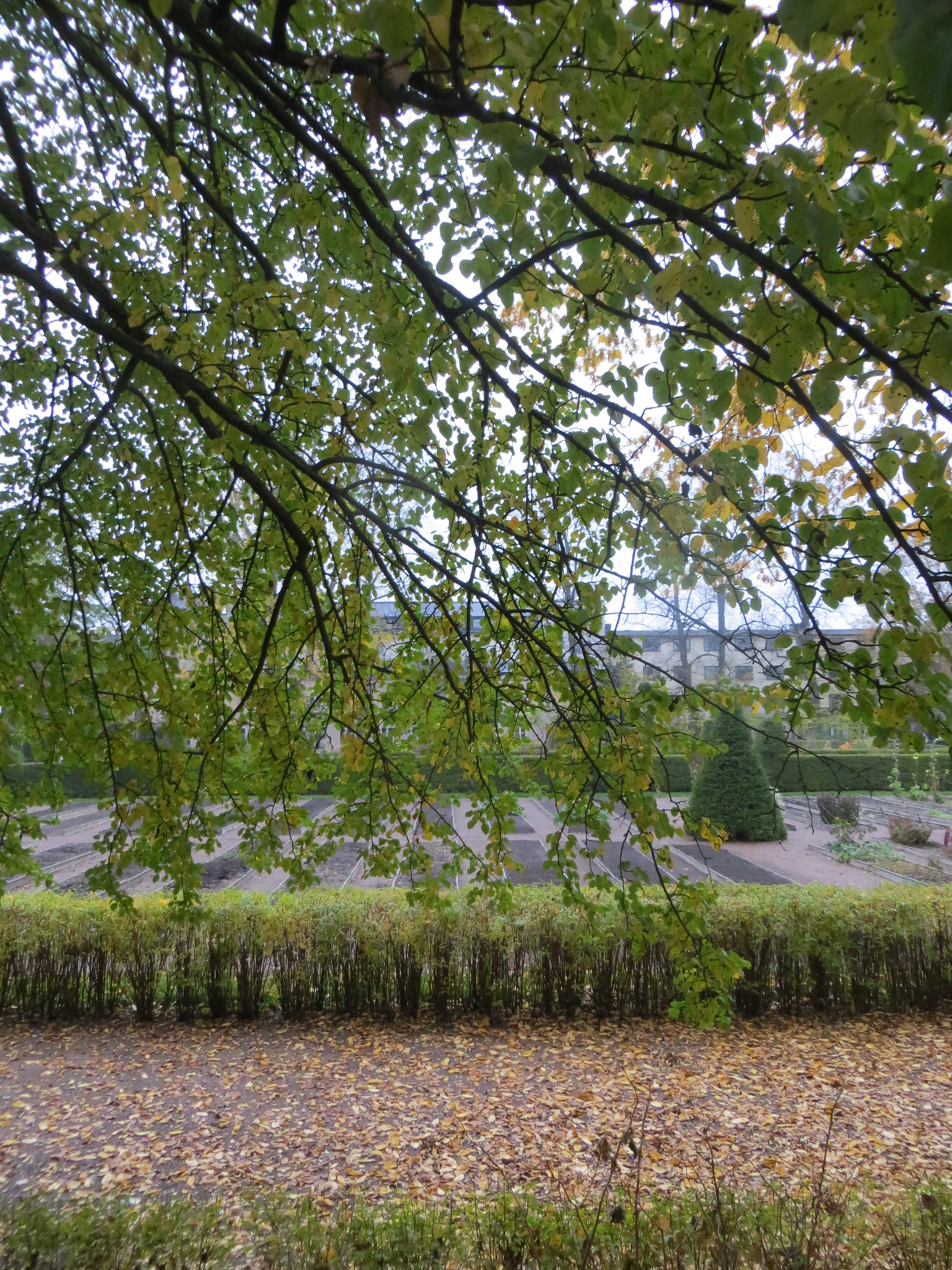 "The small enclosure by the house in the lower town, called Linne's house, on the other side of the river, which is here rendered almost stagnant by a series of locks and weirs, is part of the Linneanska Tradgarden, Linnaeus's botanical garden, which the guide-book says may conveniently be visited on the way to Gamla (old) Upsala. Truly it will not take long to inspect these grounds, for the private garden is merely a small oblong pleasure ground behind the house, with a grass-plot surrounded by a double row of cut lime trees. Though this garden would have had a very different aspect in Linnaeus's time, it is too small to have ever been a regular botanical garden." Through the Fields with Linnæus: A Chapter in Swedish History by Florence Cady (1887), Volume 2, p.155
Some of the weirs on the Fyris River in Uppsala ... they've now built some fish ladders around each of these small dams.

Subscribe to:
Comments (Atom)