Showing posts with label Accra. Show all posts

Saturday, June 13, 2015

A visit to the US Embassy in Accra, Ghana for a presentation on Smithsonian resources

IMG_0013
Daniel Fennell
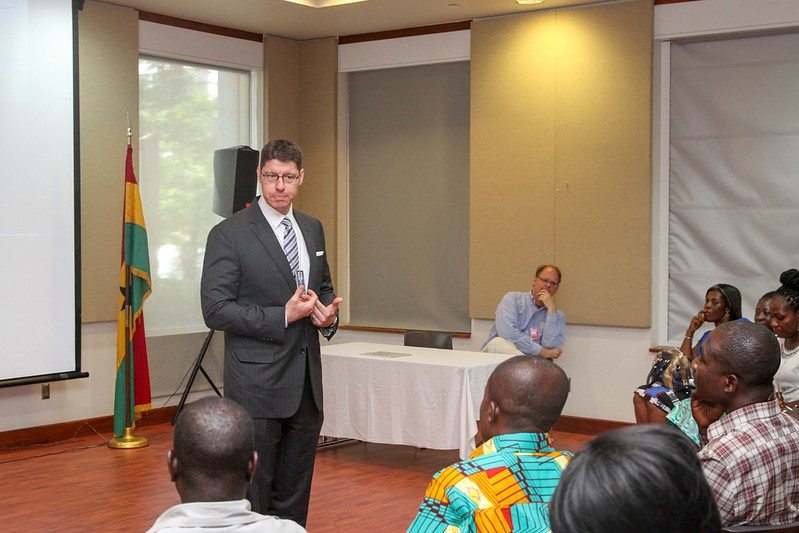
I had the pleasure of being invited to the US Embassy in Accra, Ghana to meet with a group of 35 Ghanaian teachers and representatives from other non-governmental organizations. I also had a chance to meet with Rita Awuku, Information Resource Center Director and other staff of the embassy, including Jennifer Yeboah who provided valuable logistical support.

IMG_0018For my presentation to the group, I spoke about Smithsonian resources that would be valuable for teachers and helpful for literacy programs. We also did a live exploration of the Smithsonian's Collections Search where we looked at a variety of Smithsonian resources related to Ghana. There were many questions from the group  and there was a nice dialog about education and museum resources, especially those that come from library collections. There was also an opportunity to show some of the illustrations from the Biodiversity Heritage Library and explain how Smithsonian staff had used these at a presentation at the State Department's Mae Jemison Science Reading Room (Mamelodi, South Africa, see here for a report of that visit) for a group of middle school children in 2011.

Acting Deputy Chief of Mission, Daniel Fennell was my host for lunch and provided an introduction to the presentation. At the end of the session. I also had to opportunity to see the attendees receive their certificates for completion of an embassy sponsored educational program. The day concluded with a reception.

IMG_0048

(Photos courtesy the US Embassy, Accra, Ghana)

Monday, June 08, 2015

Some passages from "Ghana Must Go" by @taiyeselasi #QotD

2015.05.26-DSC01392Ghana Must Go: A Novel  (2013) by Taiye Selasi
NY Times Review | The Guardian Review

A quite brilliant first novel. I was looking for books set in Ghana before my recent trip there and came across this work. Masterful handling of a complex plot and a large cast of characters. Finishing the book on the plane on my way to Accra, the sights and sounds of the city were like memories after reading Selasi's descriptions (I might also add being familiar with the locations she describes in Boston, she's quite good at that also).

My thoughts go out to the people of Ghana who have been affected by the recent floods and terrible petrol station explosion.

* * * * *

The humidity welcomed him back, open arms. He stood still for some moments, obliging the hug. Then hired a taxi to take him to Jamestown—the oldest part of Accra and the smelliest by far, a fetid seaside slum of corrugated tin-and-cardboard shanties in the shadow of the country’s former Presidential Palace—where, braving the stink (re-dried sweat, rotting fish), he inquired in rusty Ga about a carpenter

He had never hired a Ghanaian to do anything (or anything aesthetic) without that Ghanaian reinterpreting his instructions somehow. “No starch on my shirts, please,” and the launderer would starch them, insisting, unrepentant, “It’s better this way.” Or “paint the doors white,” and Kofi painted them blue. “Sa, is nice, oh, too nice,” with the indefatigable smile

IMG_20150526_135402289 A garden. Everything lush, soft, too verdant, nothing orderly or sterile, jagged love grass and fan palms the size of a child and scattered-around banana plants like palm trees without trunks and hibiscus on bushes and gloriosa in flames and those magenta-pink blossoms (Kweku can never remember their names) flowering wildly on crawlers overgrowing the gate. A commotion of color. Rebel uprising of green. “And a fountain here,” Mr. Lamptey concluded

Then Ghana, and the smell of Ghana, a contradiction, a cracked clay pot: the smell of dryness, wetness, both, the damp of earth and dry of dust. The airport. Bodies pushing, pulling, shouting, begging, touching, breathing. He’d forgotten the bodies. The proximity of bodies. In America the bodies were distant. The warmth of it. Pushing through the jostling throng, warm bodies, clutching Fola’s arm while Fola clutched the baby, leading his squadron on to the taxi rank. “Your purse!” he called over his shoulder. “Be careful! This is Ghana.”

“You’re not Asian. Wait. Why are you here? Do you play a stringed instrument? Excel in mathematics? Attend a kind of cult-like Korean-American Christian church?”
2015.05.26-DSC01357
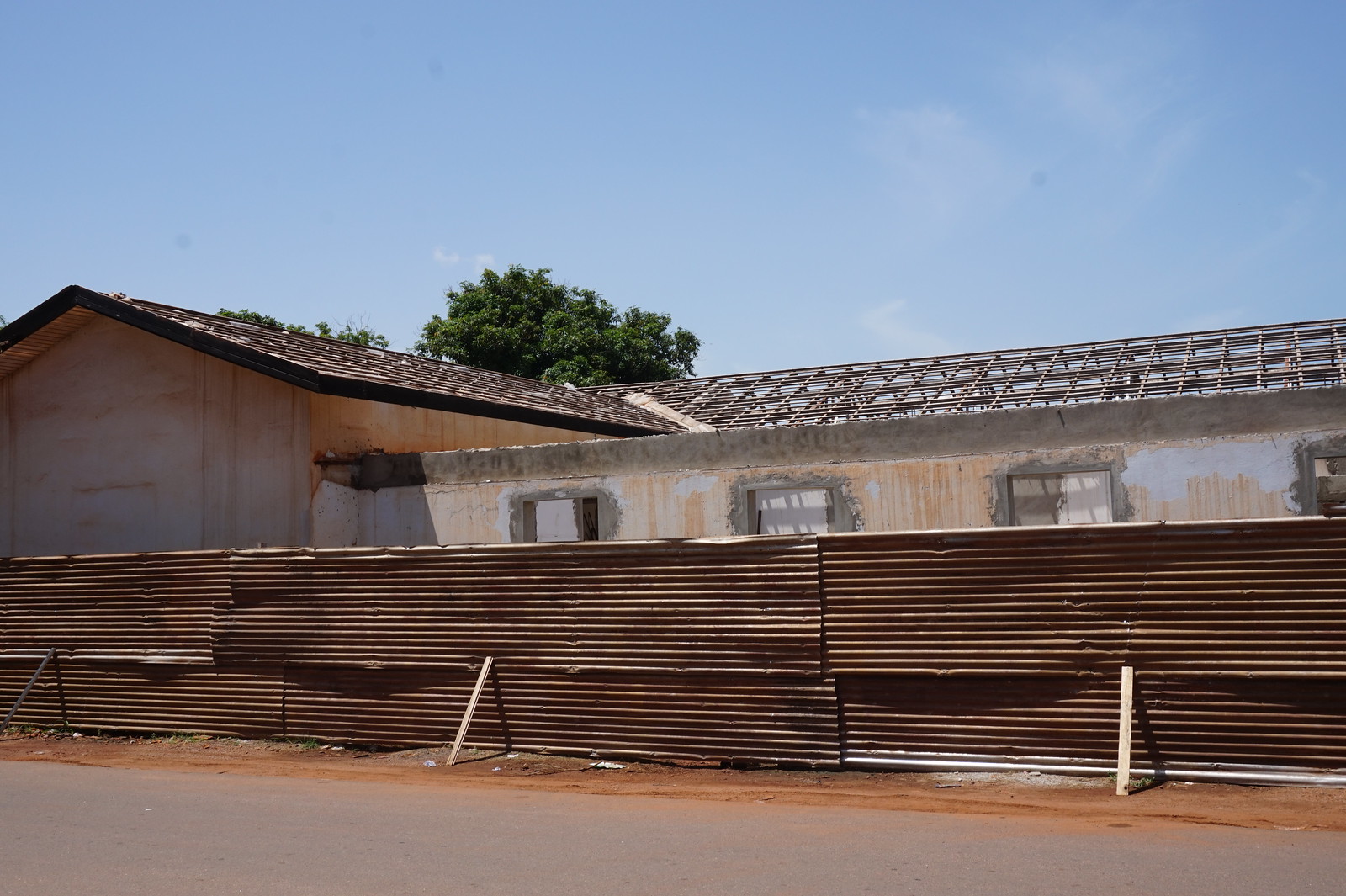
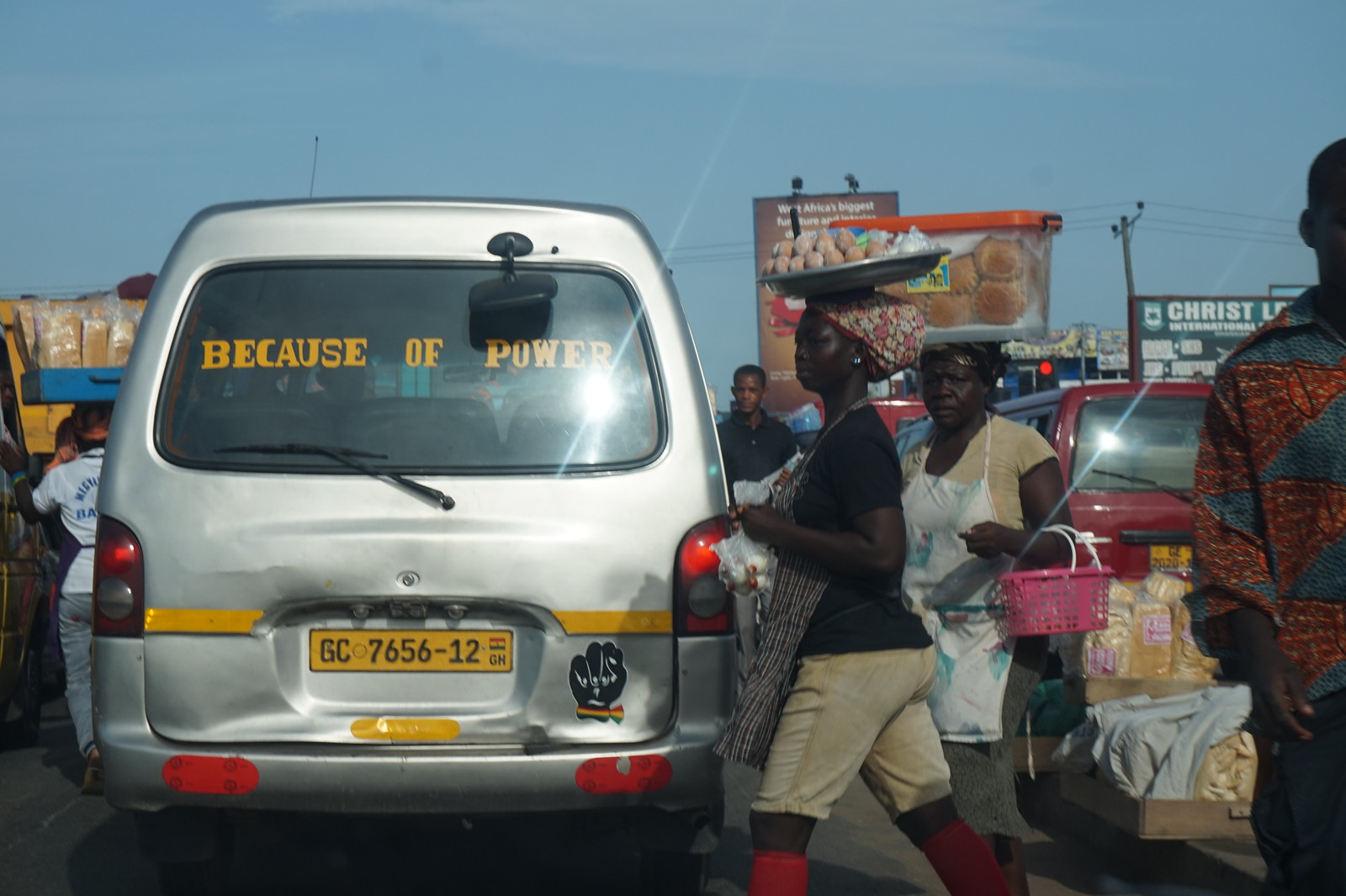
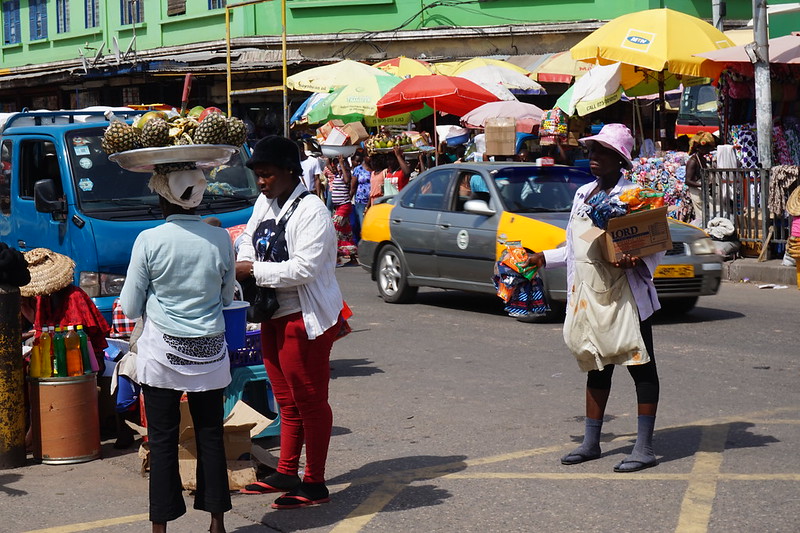
There are the standard things, African things, the hawkers on the roadside, the color of the buildings the same faded beige as the air and the foliage, the bright printed fabrics, the never-finished construction sites (condos, hotels) giving the whole thing the feel of a home being remodeled in perpetuity, midproject, the men gone to lunch, the new paint already chipping and fading in the sunshine as if it never really mattered what color it was, stacked-up concrete blocks soldiers awaiting their orders, steel, sleeping machinery interrupting the green. This is familiar.

... she worried about favoring or spoiling the child, or confusing her, leading her to believe that the world was less patently apathetic than it actually was.

Sena had his own tragic tale to unburden: of expulsion from Lagos under “Ghana Must Go,” winter 1983, with the Nigerian government’s summarily deporting two million Ghanaians;

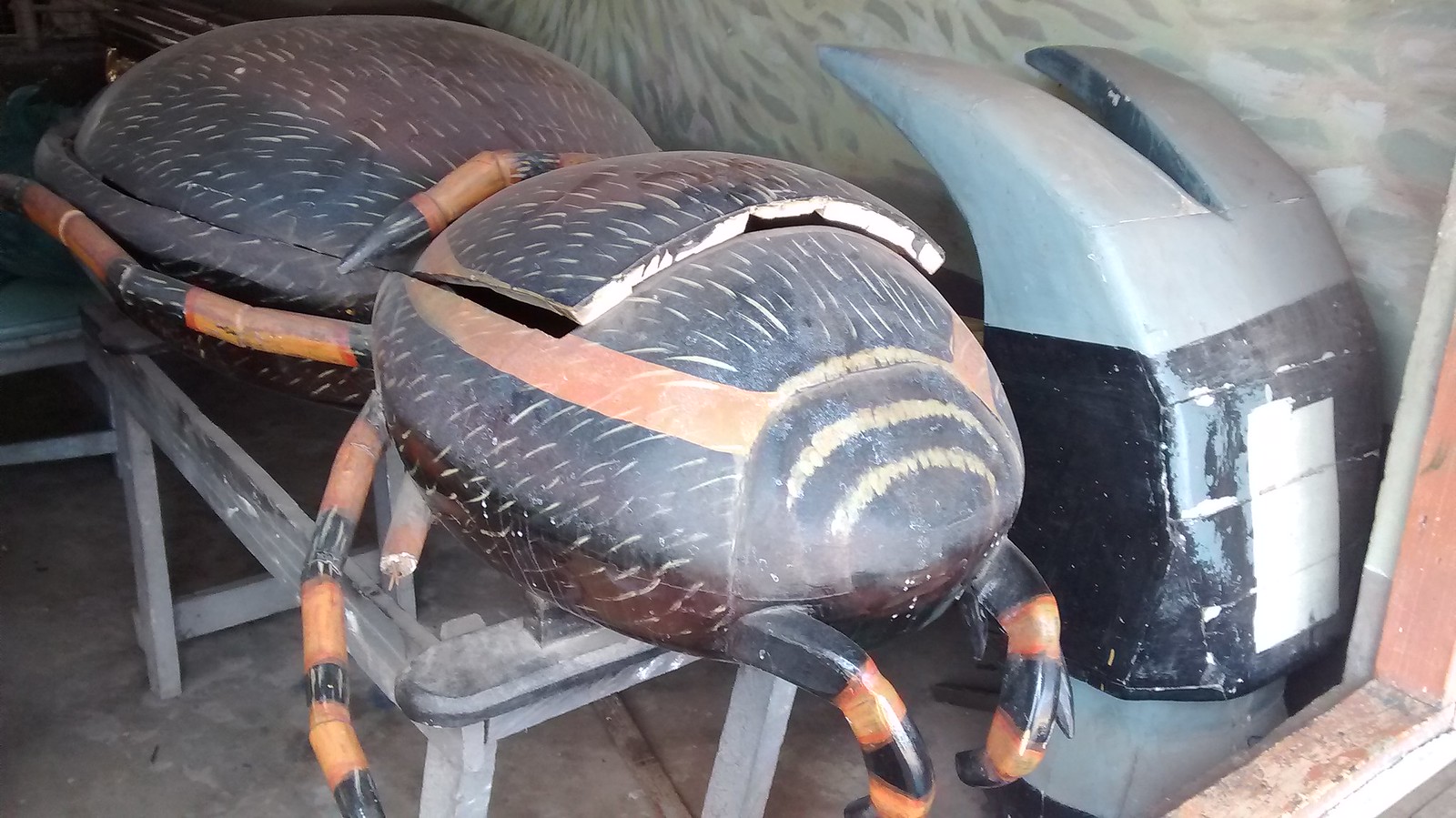
Ga people believe that a coffin should be a reflection of the life of the person inside it. So a fisherman’s coffin might be shaped like a fish or a carpenter’s shaped like a hammer, I guess, or a woman who likes shoes, in the shape of a shoe.

The only illumination is bright whitish sunlight thrown in from the door to the rough slatted floor. Even so, eyes adjusting, Kehinde makes out the coffins that hang more like boats from the beams overhead: one a car, one a fish, one a rose by the look of it, absurd in one sense, wild, fantastic in another. The idea of it. Coffins in shapes, like kids’ birthday cakes, celebratory, colorful, laughing at death.

Really, he was terrified of endings. He couldn’t understand how people loved, then didn’t love. Loved, then stopped loving. As a heart just stops beating. (Of course he knew how, but he couldn’t see why.)

“the only point of a relationship is to play out, in miniature, the whole blasted drama of life and of death. Love is born as a child is born. Love grows up as a child grows up. A man knows well that he must die, but having only known life does not believe in his death. Then, one day, his love goes cold. Its heart stops beating. The love drops dead. In this way, the man learns that death is reality: that death can exist in his being, his own. The loss of a pet or a rose or a parent may cause the man pain but will not make the point. Death must take place in the heart to be believed in. After love dies man believes in his death.”

You say ‘Asia, ancient China, ancient India,’ and everyone thinks ooh, ancient wisdom of the East. You say ‘ancient Africa,’ and everyone thinks irrelevant. Dusty and irrelevant. Lost. No one gives a shit.

“We did what we knew. It was what we knew. Leaving.”

IMG_20150526_072236620_HDR

Saturday, May 30, 2015

Corrugated iron is my abomination. I quite understand it has points, and I do not attack from an aesthetic standpoint #QotD

2015.05.30-DSC01684Corrugated iron is my abomination. I quite understand it has points, and I do not attack from an aesthetic standpoint. It really looks well enough when it is painted white. There is, close to Christiansborg Castle, a patch of bungalows and offices for officialdom and wife that from a distance in the hard bright sunshine looks like an encampment of snow-white tents among the coco palms, and pretty enough withal. I am also aware that the cdrrugated-iron roof is an advantage in enabling you to collect and store rain-water, which is the safest kind of water you can get on the Coast, always supposing you have not painted the aforesaid roof with red oxide an hour or two before so collecting, as a friend of mine did once. But the heat inside those iron houses is far greater than inside mud-walled, brick, or wooden ones, and the alterna- tions of temperature more sudden : mornings and evenings they are cold and clammy ; draughty they are always, thereby giving you chill which means fever, and fever in West Africa means more than it does in most places.

Travels in West Africa: Congo Francais, Corisco and Cameroons by Mary Henrietta Kingsley, et al. (1907), p. 30


2015.05.30-DSC01687

Some of the native dishes are particularly palatable, and far preferable to many of the badly cooked European foods that have been introduced #QotD

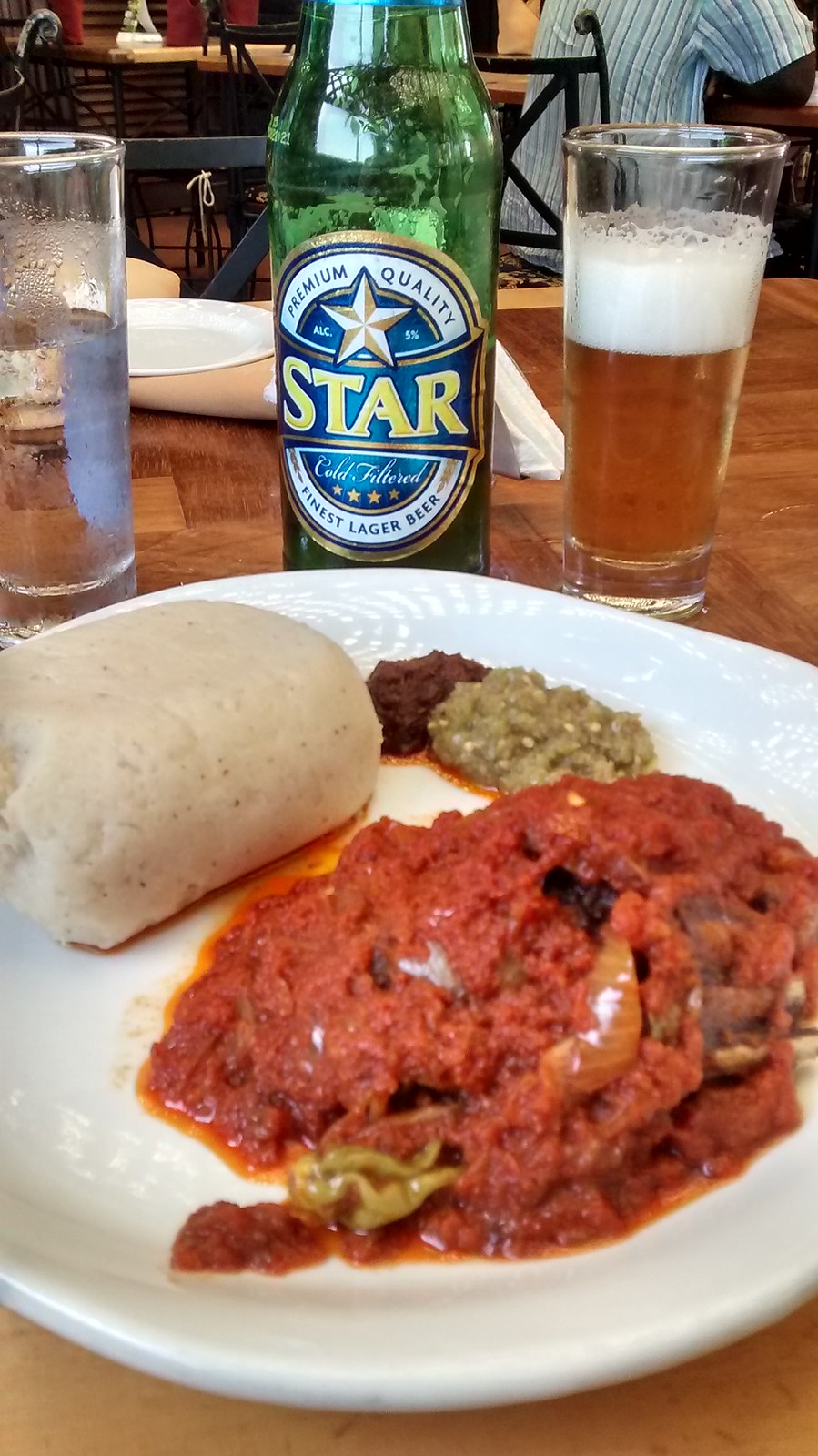
IMG_20150526_123349798_HDRMany of the Akras and also the Elminas are exceptionally good cooks, the men being much better than the women ... Some of the native dishes are particularly palatable, and far preferable to many of the badly cooked European foods that have been introduced. "Kankie" takes the place of bread, and is made from the flour of native corn, undergoing many operations before being boiled or roasted in plantain leaves and fit to eat. Many people prefer it to the sour English bread that is made on the coast, though this has considerably improved of late years.

"Fou-fou" is a tenacious mass composed of yam, plantain or cassada, which is peeled, boiled and pounded and then made into large balls, to be served up with the various kinds of native soups, in place of the European potato. It is much like boiled batter pudding, but more tenacious, and is very savoury. Freshly baked flour cakes seasoned with the oil of the palm kernel are much relished by the natives, but are far too rich for the visitor. Fish and stews are well prepared, and turtle is good and plentiful during the Harmattan season, but not after March. The fish mostly eaten by the native is a kind of herring, which abounds in the Guinea Gulf in immense numbers, and which, when cured, is carried far into the interior beyond Ashanti. When these fish are opened, cleaned, stuffed with green pepper and fried in the freshest and purest palm oil, it is called "Kinnau," and forms an admirable food. "Palm-oil chop" is another favourite dish on the West Coast of Africa from Sierra Leone to the Congo, some Europeans being very fond of it.

2015.05.26-DSC01440 The ingredients are freshly made palm oil, meat or fowl, well peppered and served up in a native pot with freshly boiled yam or "fou-fou" or rice. It is the curry of Africa, but is too rich a dish for many people. A liqueur of cognac after such a meal generally prevents a recurrence of its flavour. "Ground-nut soup" is a general favourite with most people on the coast, which is prepared in much the same way and with the same ingredients as " palm-oil chop," but with finely-pounded ground-nuts instead of palm oil as the basis. Last, but not least, is the native "kickie," a compound of finely-minced fowls or fish, high flavoured, and served up with " fou-fou " in the Accra-made pots of black porous earth into which the pepper thoroughly sinks. It is somewhat like the West Indian "pepper pot," and is very tasty to the palate. The Accra fowls are poor and stringy, but good ducks and turkeys are supplied from Ada and Jella Kofi, near Kwitta.

The Gold Coast, past and present : a short description of the country and its people (1898)
by George Macdonald, p. 204-205

Lufthansa 567: ACC to FRA

Lufthansa in #Accra #Ghana
Gate 5, but actually put on the tarmac. Seat 35 H, aisle

We drank gin and ginger ale when we could afford it, and Club beer when our money was short - Maya Angelou #QotD

2015.05.26-DSC01365
Accra
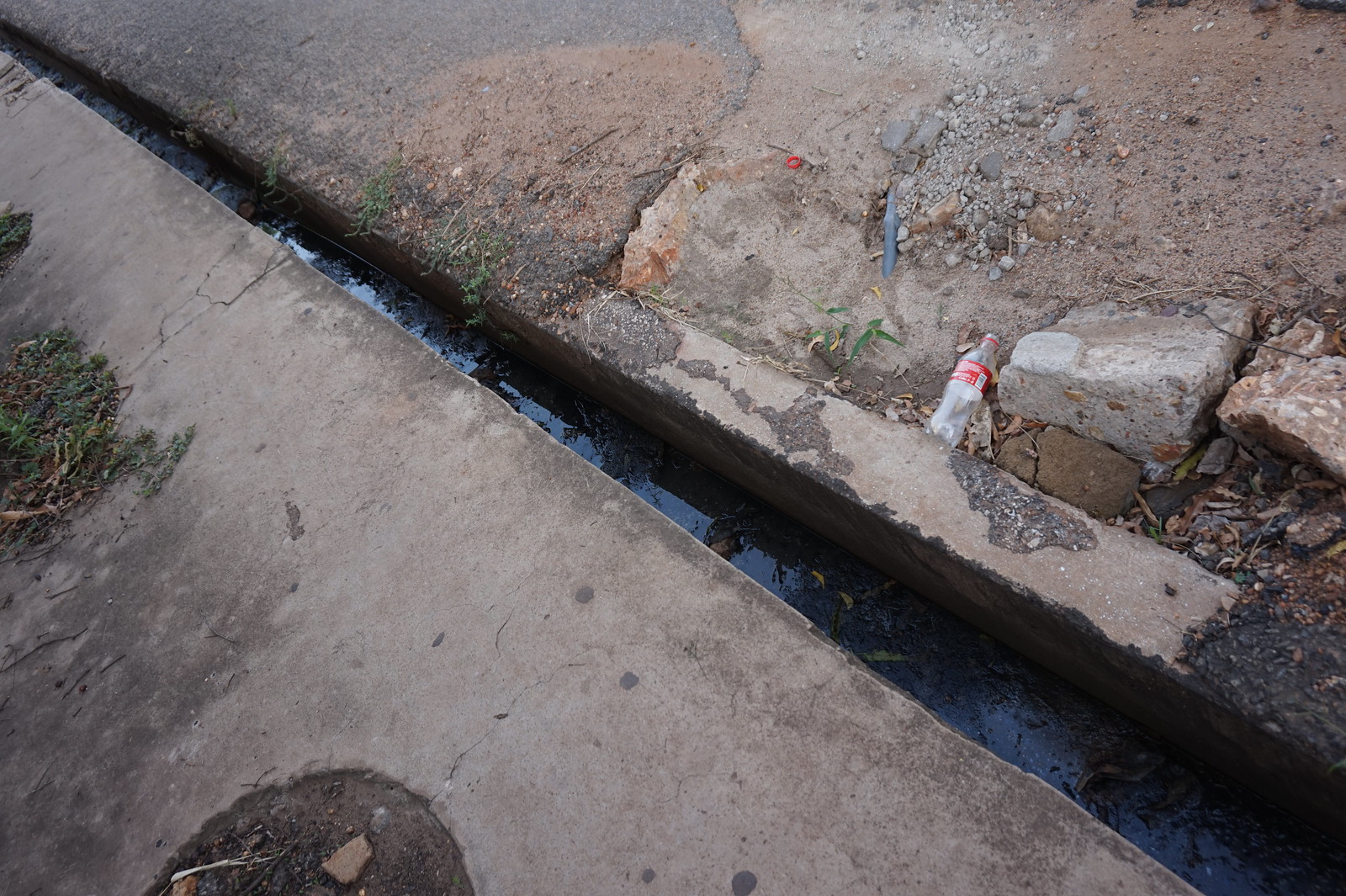
We drank gin and ginger ale when we could afford it, and Club beer when our money was short. We did not discuss the open gutters along the streets of Accra, the shacks of corrugated iron in certain neighborhoods, dirty beaches and voracious mosquitoes. And under no circumstances did we mention our disillusionment at being overlooked by the Ghanaians.

All God's Children Need Traveling Shoes by Maya Angelou

* * * * *


2015.05.25-DSC01276
Cape Coast

I had been assigned to take meals in one of the university’s eight halls - Maya Angelou #QotD

2015.05.29-DSC01649Like all faculty members, I had been assigned to take meals in one of the university’s eight halls, but it was only on the rare occasion that I visited Volta Hall High Table. The dining room was vast and tiered and quiet. Following the British academic arrangement, students sat at Low Table about four feet beneath the long high row where faculty sat facing them. I joined the members at High Table, without speaking, for we knew each other only casually, and there was no love lost or found between us.

All God's Children Need Traveling Shoes by Maya Angelou

* * * *

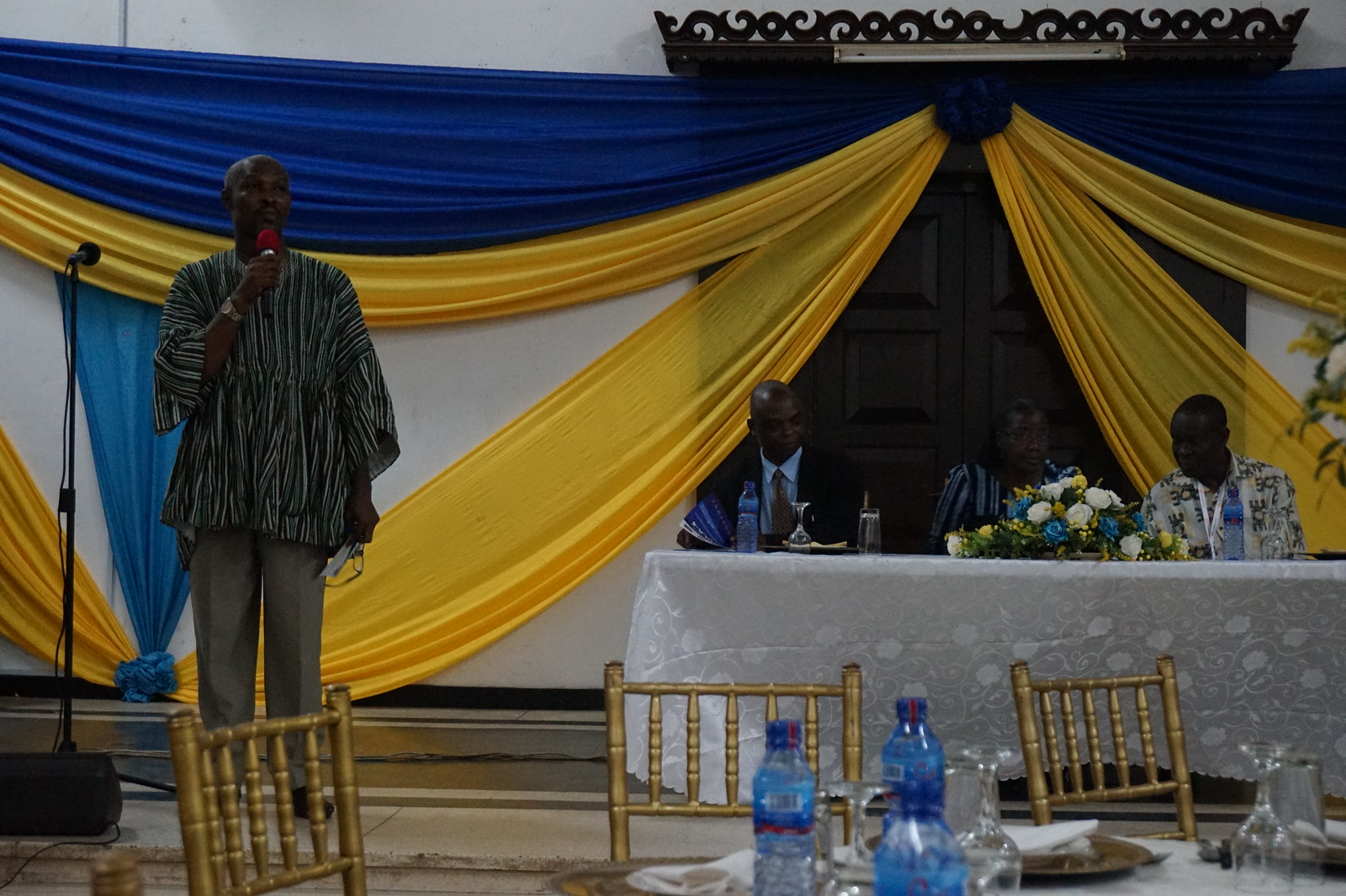
For our closing dinner of the ICADLA-4 conference, we had dinner in the Volta Hall dining hall. Volta is one of the older halls on campus and still all female. At the High Table tonight, the 2nd Lady of Ghana spoke, but quickly came down to eat and mingle with all of us down below!

Accra is utilitarian ... Its atmosphere is that of a young American town #QotD

2015.05.26-DSC01380In effect, Accra is utilitarian and so far has not striven after the beautiful or indulged in the gentle extravagance of the pursuit of the picturesque. Its atmosphere is that of a young American town. No one, apparently, has time to walk. The aforementioned excellent roads teem with motor cars — nearly all of American make — and motor-cycles. Occasionally one encounters a rickshaw, and it is then safe to hazard that the occupant is a retired native merchant who has made his pile out of cocoa and now finds that he can dawdle as much as he will and enjoys so doing. In 1911 the population was approximately 30,000. To-day it is probably not far short of double that figure and there is no sign of any limit having been reached. Accommodation is at a premium and as difficult to obtain as a room was in London during the period when the Government occupied practically every hotel.

West Africa the elusive
by Alan Bourchier Lethbridge (1921), p. 29

Thursday, May 28, 2015

A coffin should be a reflection of the life of the person inside it - Taiye Selasi #QotD

IMG_20150526_135357035Ga people believe that a coffin should be a reflection of the life of the person inside it. So a fisherman’s coffin might be shaped like a fish or a carpenter’s shaped like a hammer, I guess, or a woman who likes shoes, in the shape of a shoe.

Ghana Must Go by Taiye Selasi

The image at the right is from the Kane Kwei Coffin factory to the east of Accra.

There are the standard things, African things - Taiye Selasi #QotD

2015.05.25-DSC01239There are the standard things, African things, the hawkers on the roadside, the color of the buildings the same faded beige as the air and the foliage, the bright printed fabrics, the never-finished construction sites (condos, hotels) giving the whole thing the feel of a home being remodeled in perpetuity, midproject, the men gone to lunch, the new paint already chipping and fading in the sunshine as if it never really mattered what color it was, stacked-up concrete blocks soldiers awaiting their orders, steel, sleeping machinery interrupting the green.

Ghana Must Go: A Novel by Taiye Selasi


2015.05.25-DSC01234

Eric Akumiah, Ex Director of the Ghana Internet Registry on the state of digitization in Ghana #icadla4

Hot and humid good morning to Accra

Hon. Matilda Amissah-Arthur, 2nd Lady of Ghana & keynote at ICADLA4, Accra

Opening ceremony of ICADLA4 in Accra with the Ghana Dance Ensemble