Showing posts with label Linnaeus. Show all posts

Thursday, November 27, 2014

100° to 0°! Happy birthday Anders Celsius #FamousScientists

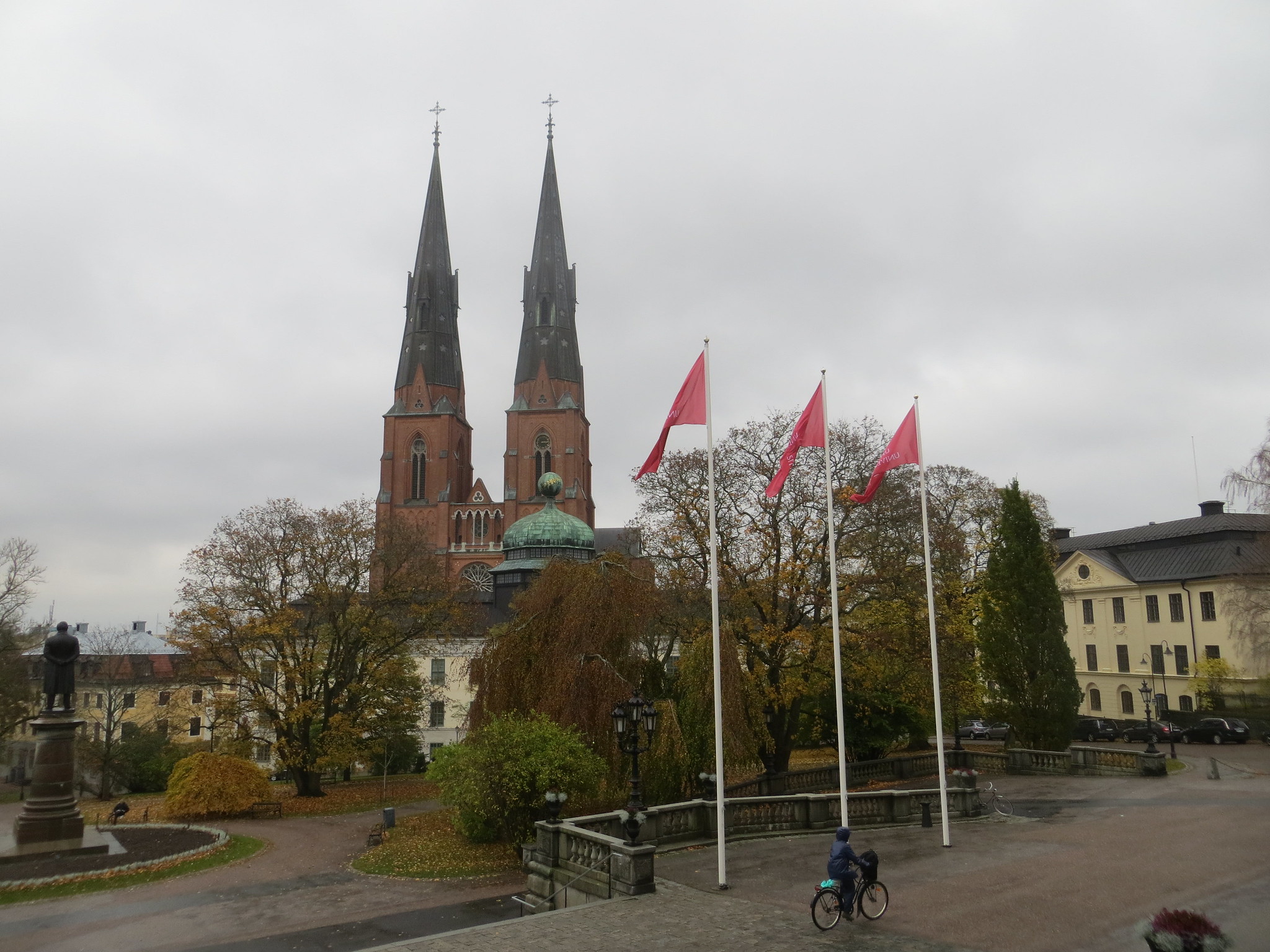
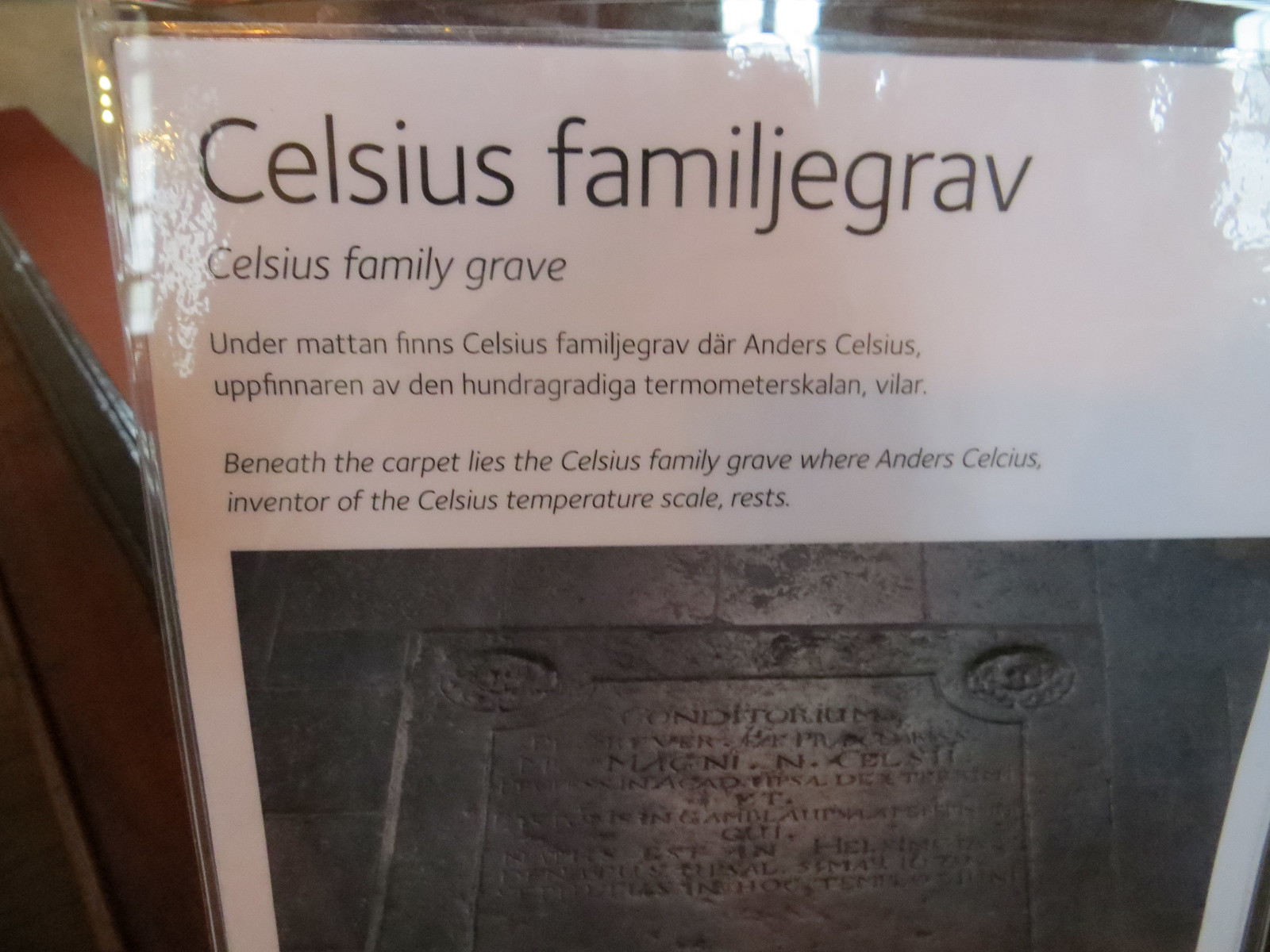
2014.10.25-IMG_2252Anders Celsius, creator of Celsius/Centigrade scale of temperature, was born on this date in 1701 in Uppsala, Sweden.

In his original scale, Celsius had the scale go the opposite way (water boils at 0° and freezes at 100°), but another famous colleague of his at the University of Uppsala (a fellow we're familiar with, one Carl Linnaeus), swapped it around after Celsius' death.

When I was in Gamla Uppsala in October of 2014, I visited the church there (the original Swedish cathedral). His grave, unfortunately, is currently covered by flooring.


2014.10.25-IMG_2256 2014.10.25-IMG_2254

Thursday, October 30, 2014

Through the Fields with Linnæus: A Chapter in Swedish History by Florence Cady (1887)

2014.10.29-IMG_2453"Most travellers, poor, hurried, and unencumbered as he was, would have selected the more direct route by Jönköping up the Vettern and Hjalmar lakes, whence a short road across country would bring them to the Malar, giving direct water communication to the very quays of Upsala. I can only account for Carl's choosing the longer and more expensive route by his considering the land journey would afford him better opportunities for study on the road." (Volume 1, p.86)


2014.10.29-IMG_2440 "Carl sailed down the rough blue Lake Vetter to Jönköping. He did not linger to enjoy the pleasant promenades of Jönköping by the lake, nor to ascend Dunkellar Hill with its beautiful views, where now are numerous villas with well-planted gardens, testifying to the profits of the roofing-paper and match-making trades ; nor was he tempted by the merely picturesque charms and waterfalls of Husquarna. But the famous iron-mountain of Taberg did not lie much out of his way at least not in his mode of travelling, which was very frequently on foot. So leaving the high-road, which even at that date we may assume to have been a bridle-path, he bore away westward, following the course of the stream flowing from Taberg into the Vetter, and ascended Taberg at about eight English miles south of Jönköping, from which height, 1,096 feet, he gained a grand survey of the forests of Småland and investigated the iron-mines, which had a special interest for him after his mining studies in Dalecarlia. This celebrated iron-mountain, with a few others found in Lapland, are the only ones in Europe where the ore is broken or blasted above ground. Taberg was doubtless the attraction that determined his route to Holland this way; and also the wish to revisit his home, to which his memory always affectionately clung." (Volume 1, pp.260-61)

2014.10.29-IMG_2427 "A change came over his manner of travelling as Linnaeus hastened homewards, not stopping nor diverging to rest at great houses. He travelled by way of Jönköping and Lake Vettern and Motala, across-country, as quick as horse and sail could carry him, to Westerns, eating, as he laughingly said, his breakfast overnight that he might be ready to start the earlier in the morning." (Volume 2, p.272)

2014.10.29-IMG_2418
From Through the Fields with Linnæus: A Chapter in Swedish History by Florence Cady (1887),

Sunday, October 26, 2014

"Linnaeus died ... The remains of this celebrated man were interred at Upsala Cathedral" #Uppsala

2014.10.25-IMG_2282"Linnaeus died on January 10, 1778, "aged seventy, seven months and seven days, with the nation to guard his good name." The remains of this celebrated man were interred at Upsala Cathedral, and the funeral procession was composed of members of the whole university, the pall being supported by sixteen doctors of physic, all of whom had been his pupils. A general mourning took place at Upsala, and the king, Gustavus III., ordered a medal to be struck expressive of the public loss, one side of which exhibits the bust of the great naturalist, with his name; the reverse shows Cybele in an attitude of grief, holding in her left hand a key, and surrounded by animals and plants."  Through the Fields with Linnæus: A Chapter in Swedish History by Florence Cady (1887), Volume 2, p.370
QotD: "Though this garden would have had a very different aspect in Linnaeus's time, it is too small to have ever been a regular botanical garden" #Uppsala

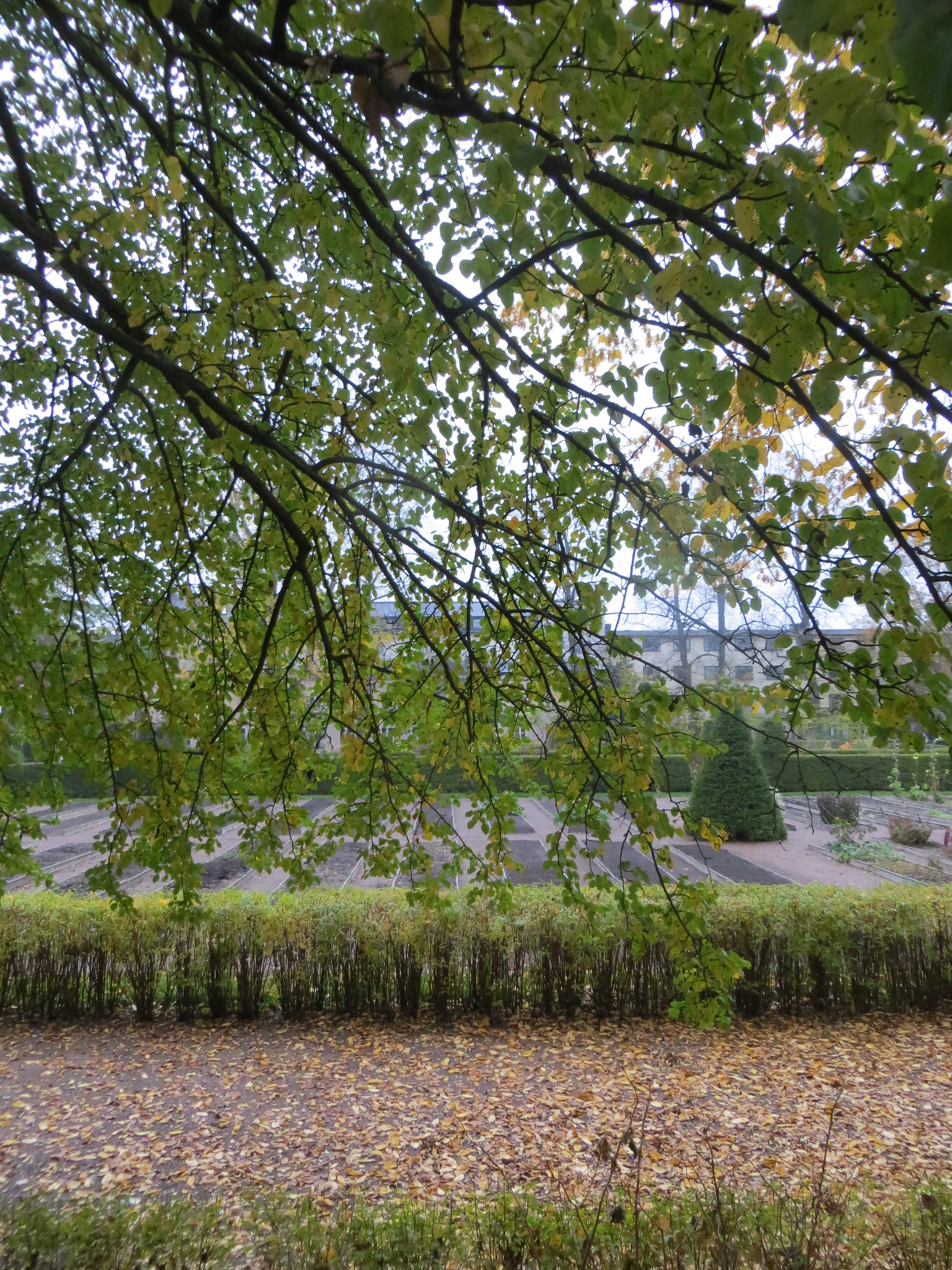
2014.10.24-IMG_2188"The small enclosure by the house in the lower town, called Linne's house, on the other side of the river, which is here rendered almost stagnant by a series of locks and weirs, is part of the Linneanska Tradgarden, Linnaeus's botanical garden, which the guide-book says may conveniently be visited on the way to Gamla (old) Upsala. Truly it will not take long to inspect these grounds, for the private garden is merely a small oblong pleasure ground behind the house, with a grass-plot surrounded by a double row of cut lime trees. Though this garden would have had a very different aspect in Linnaeus's time, it is too small to have ever been a regular botanical garden."  Through the Fields with Linnæus: A Chapter in Swedish History by Florence Cady (1887), Volume 2, p.155


Some of the weirs on the Fyris River in Uppsala ... they've now built some fish ladders around each of these small dams.


2014.10.25-IMG_2223
 

QotD: "The Swedish Government honoured Linnaeus highly, and built him a house at the entrance of the botanical garden" #Uppsala

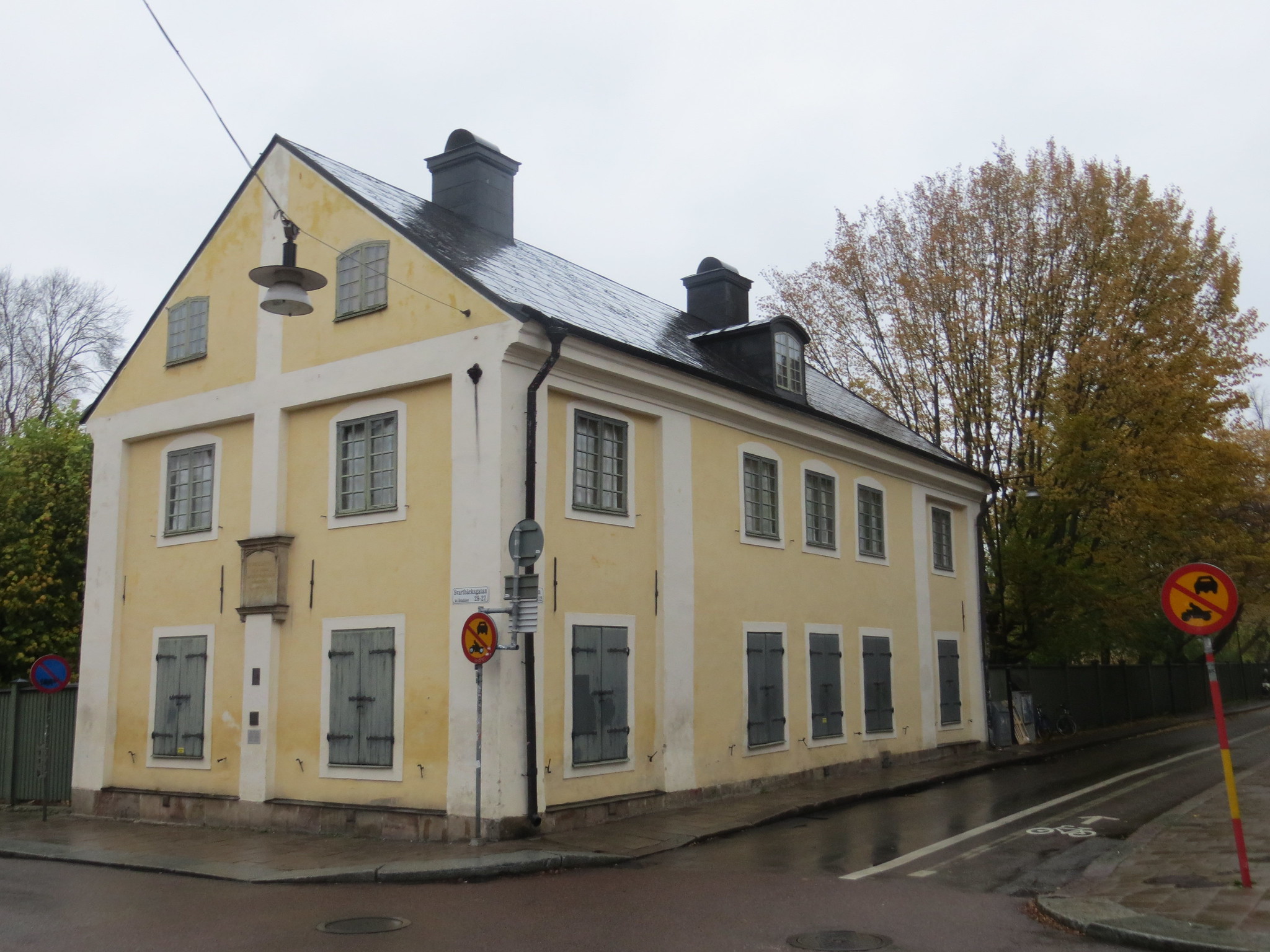
2014.10.24-IMG_2200'The Swedish Government honoured Linnaeus highly, and built him a house at the entrance of the botanical garden, of which beautiful premises (the house and private garden) he took possession on July 18, 1743. This raises the question, Is this the plain small house at the corner of the Svartbacksgatan, No. 27, which tradition and a slab in the wall point out as the residence of Linnaeus at Upsala? or is this where he dwelt while the house that they call "beautiful" was in building? The low narrow windows of this small house could not have held many plants. These windows have been modernised, but one sees the original shallow brick arches still. The house has not been otherwise much altered since the time when Linnaeus lived here.' Through the Fields with Linnæus: A Chapter in Swedish History by Florence Cady (1887), Volume 2, pp.153-54

Saturday, October 25, 2014

QotD: "It is singular that / the Swedes / have produced no distinguished painters or composers -- but, indeed, a Linnæus."

2014.10.24-IMG_2199
"I have seen, even beyond Umeå, some fine specimens of cactus, pelargonium, calla, and other exotics. It is singular that, with the universal passion of the Swedes for flowers and for music, they have produced no distinguished painters or composers -- but, indeed, a Linnæus." Northern Travel Summer and Winter Pictures of Sweden, Denmark and Lapland (1869) by Bayard Taylor 
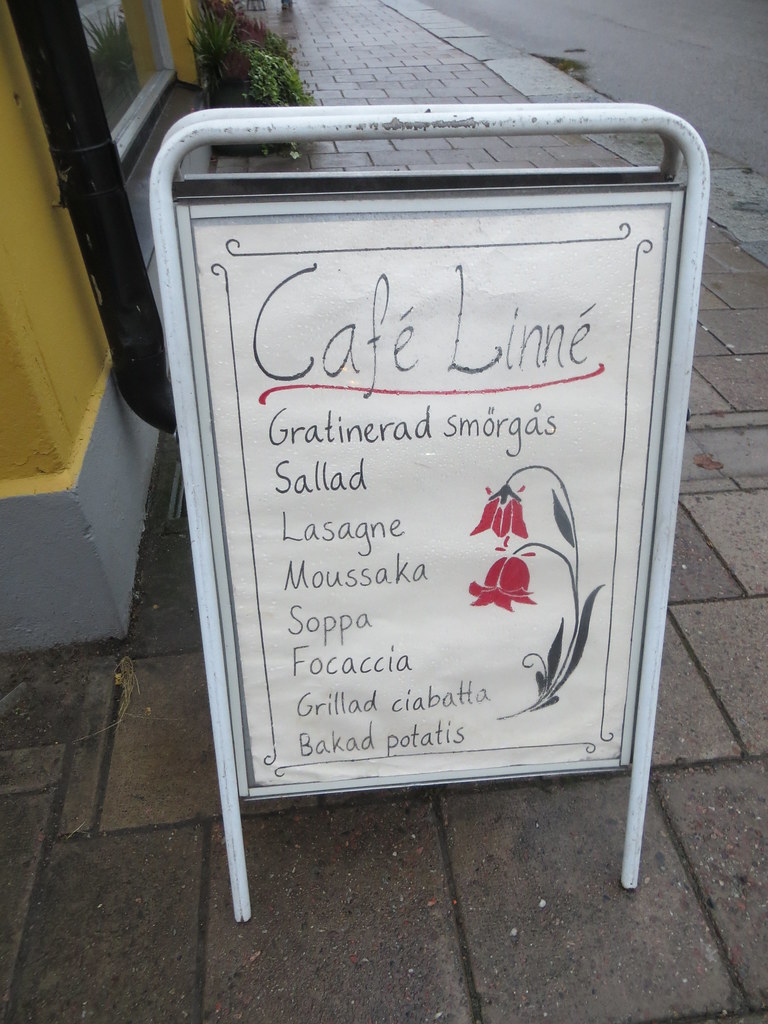
Not true of course by our more 21st century standards! And Uppsala certainly has Linnaeus! Hotels, cafes, streets, etc., etc.

A few years earlier (and again in the 1870s), Bayard Taylor (1825-1878) was an American poet, literary critic, translator, and travel author. He published a couple of books on Egypt which is where I'd first heard of him when writing my book on Egyptian travel accounts, Nile Notes of a Howadji (1992).


  2014.10.24-IMG_2200 2014.10.24-IMG_2182 2014.10.24-IMG_2183 2014.10.24-IMG_2193