Saturday, May 30, 2015

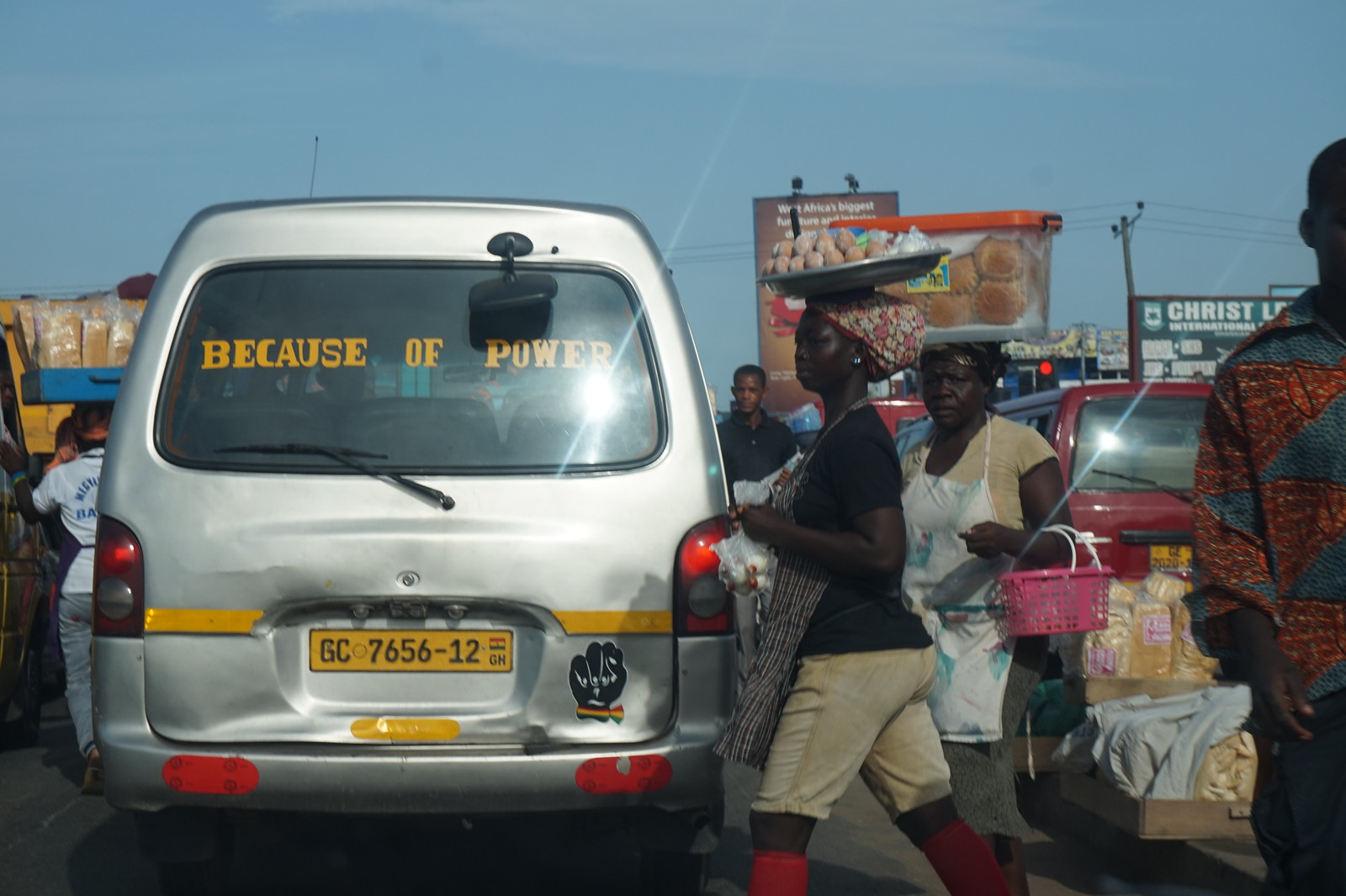
Accra is utilitarian ... Its atmosphere is that of a young American town #QotD

2015.05.26-DSC01380In effect, Accra is utilitarian and so far has not striven after the beautiful or indulged in the gentle extravagance of the pursuit of the picturesque. Its atmosphere is that of a young American town. No one, apparently, has time to walk. The aforementioned excellent roads teem with motor cars — nearly all of American make — and motor-cycles. Occasionally one encounters a rickshaw, and it is then safe to hazard that the occupant is a retired native merchant who has made his pile out of cocoa and now finds that he can dawdle as much as he will and enjoys so doing. In 1911 the population was approximately 30,000. To-day it is probably not far short of double that figure and there is no sign of any limit having been reached. Accommodation is at a premium and as difficult to obtain as a room was in London during the period when the Government occupied practically every hotel.

West Africa the elusive
by Alan Bourchier Lethbridge (1921), p. 29

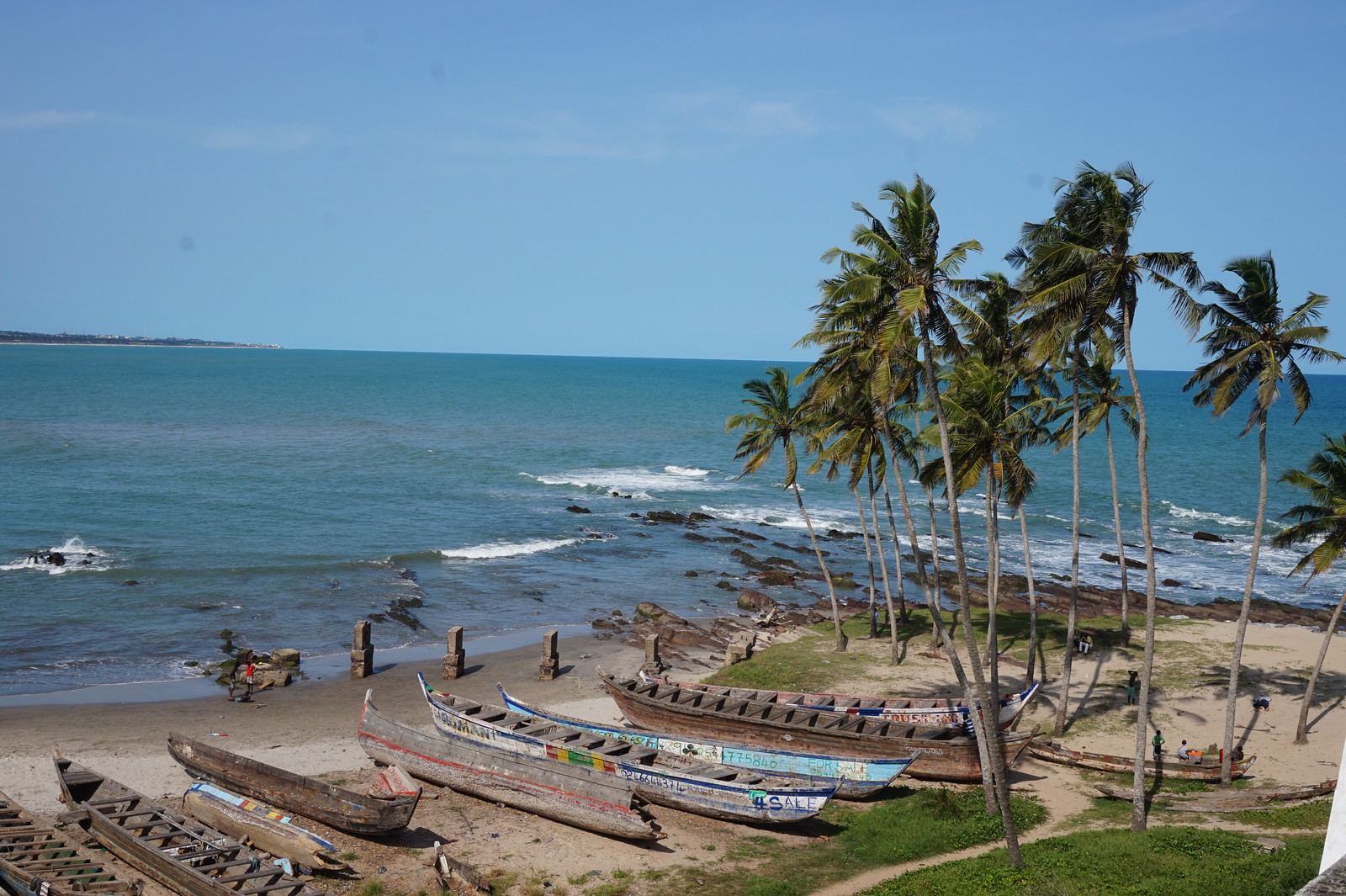
The sun was fierce, the land seemed to glisten and drip with steam. Here and there greyish-whitish specks showed up clustered inside the white surf - Conrad #QotD

2015.05.25-DSC01348
Watching a coast as it slips by the ship is like thinking about an enigma. There it is before you -- smiling, frowning, inviting, grand, mean, insipid, or savage, and always mute with an air of whispering, 'Come and find out.' This one was almost featureless, as if still in the making, with an aspect of monotonous grimness. The edge of a colossal jungle, so dark-green as to be almost black, fringed with white surf, ran straight, like a ruled line, far, far away along a blue sea whose glitter was blurred by a creeping mist. The sun was fierce, the land seemed to glisten and drip with steam. Here and there greyish-whitish specks showed up clustered inside the white surf, with a flag flying above them perhaps. Settlements some centuries old, and still no bigger than pinheads on the untouched expanse of their background. We pounded along, stopped, landed soldiers; went on, landed custom-house clerks to levy toll in what looked like a God-forsaken wilderness, with a tin shed and a flag-pole lost in it; landed more soldiers--to take care of the custom-house clerks, presumably. Some, I heard, got drowned in the surf; but whether they did or not, nobody seemed particularly to care. They were just flung out there, and on we went. Every day the coast looked the same, as though we had not moved; but we passed various places--trading places--with names like Gran' Bassam, Little Popo; names that seemed to belong to some sordid farce acted in front of a sinister back-cloth. The idleness of a passenger, my isolation amongst all these men with whom I had no point of contact, the oily and languid sea, the uniform sombreness of the coast, seemed to keep me away from the truth of things, within the toil of a mournful and senseless delusion. The voice of the surf heard now and then was a positive pleasure, like the speech of a brother. - Joseph Conrad, Heart of Darkness (1899, 1902)
Conrad has always been one of my touchstone authors and Heart of Darkness and important and key work for me. Conrad doesn't mention Ghana (or the Gold Coast as it would have been known to him) in the book. The references above to "Gran' Bassam" (currently Grand-Bassam in Côte d'Ivoire) and "Little Popo" (currently Aného in Togo) book-end today's Ghana.

One of the geographic features of the Gold Coast was it's poor natural port. In the 19th century, visitors to Accra would anchor off the coast and come ashore in surf-boats (which most travelers despised!). No surprise then that Marlow's French steamer passed by Accra.

Thursday, May 28, 2015

A coffin should be a reflection of the life of the person inside it - Taiye Selasi #QotD

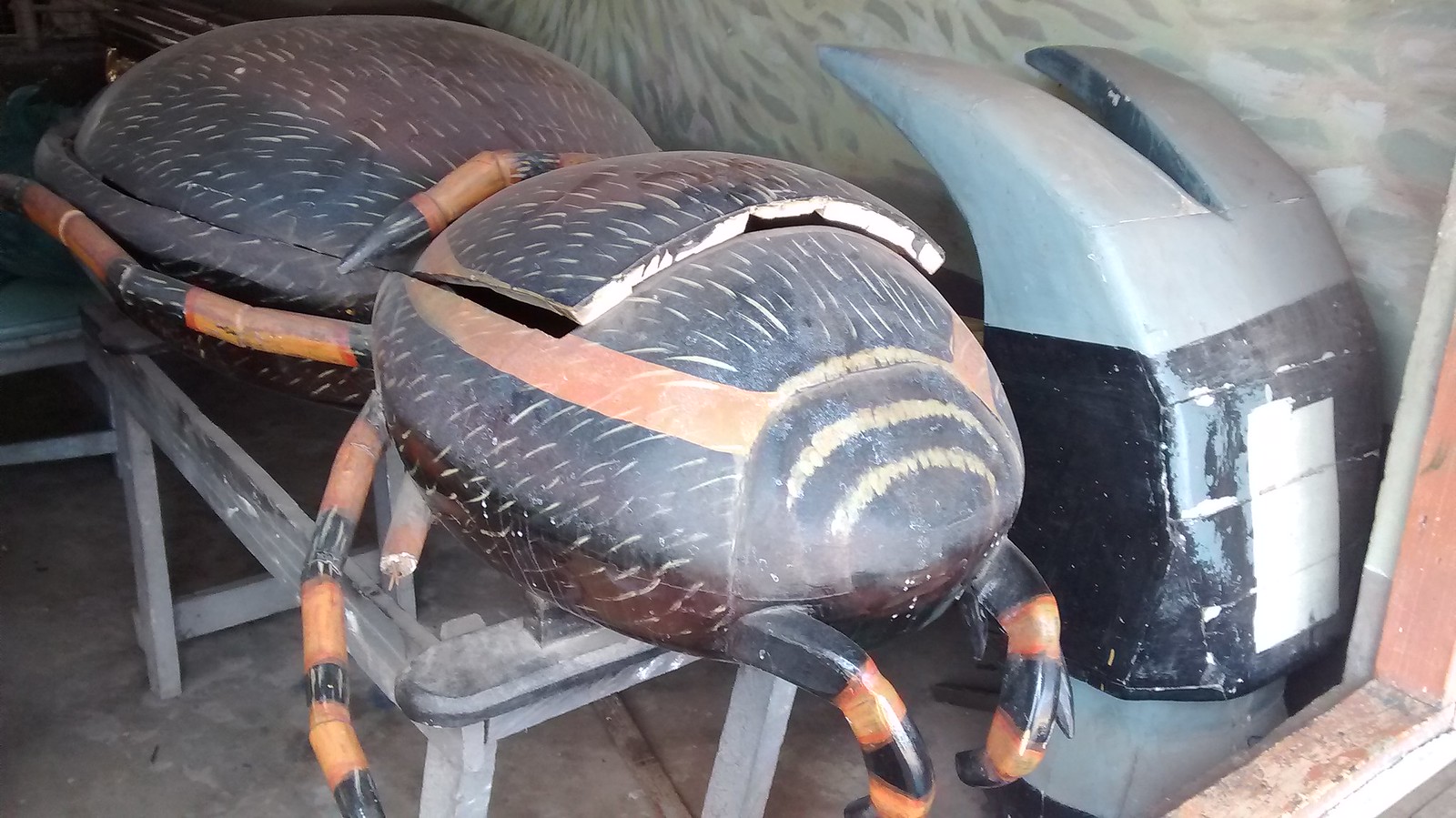
IMG_20150526_135357035Ga people believe that a coffin should be a reflection of the life of the person inside it. So a fisherman’s coffin might be shaped like a fish or a carpenter’s shaped like a hammer, I guess, or a woman who likes shoes, in the shape of a shoe.

Ghana Must Go by Taiye Selasi

The image at the right is from the Kane Kwei Coffin factory to the east of Accra.

The unseen wonders and complexity of growing plants, with their peculiarities, mechanism, and Nature's provision for multiplying in the thick growth of the African jungle, are marvellous. #QotD

2015.05.25-DSC01265
Kakum National Park
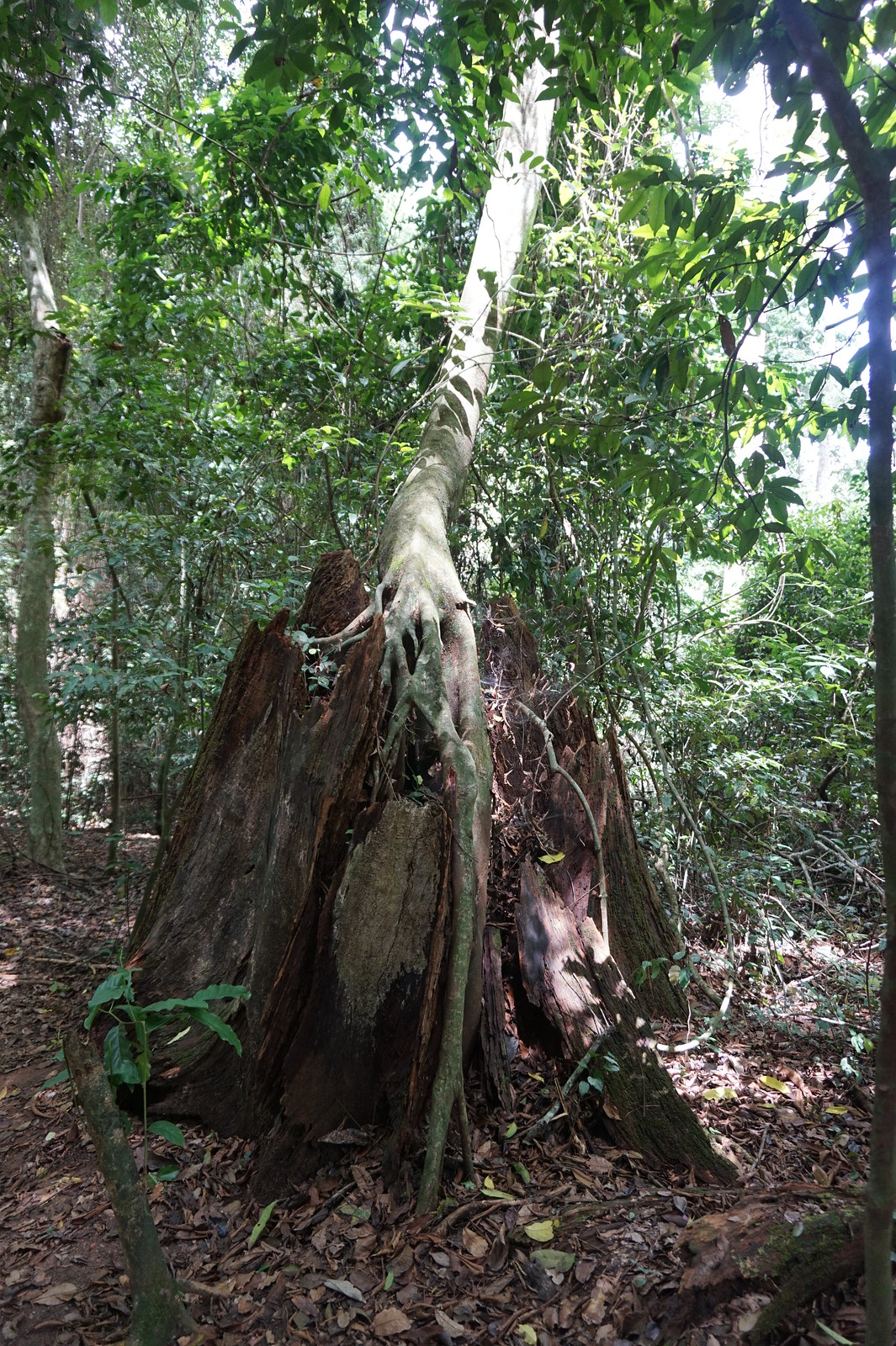
I had a chance to visit the Kakum National Forest in Ghana, quite spectacular!
Vegetable life in tropical zones is suspended, or sleeping, for a very much shorter period than occurs in colder climates. Bulbous and tuberous plants hibernate in spells of a little over a month, reappearing three times in the course of twelve months. Maize (or mealies) reproduce crops three times within the year. This rapid evolution of nature is presumably brought about by the tropical heat, rain, electricity, and a superabundance of carbonic acid in the air, together with the action of long spells of sunlight, which tend to a rapid production of plant food. Vegetable life in the tropics does not take the long winter rest that it enjoys in colder climates, where its life germs retire into protected shelters, and slumber away the period of frosts and snows. The dead seasons in the Gold Coast Colony occur between the rains. January and March months are the principal rest months for recuperation, but most trees take their rest  after they have shed their fruits and leaves in September, October, and November. The rains that take place at the end of November, and the tornado downpours in December add temporary activity to vegetable growth. The general growing season for cereals, however, starts after the dry and hot month of March.
2015.05.25-DSC01256 The colder atmosphere existing during the period of clouded sun and heavy rains extending from May to the end of June, enables some species of vegetation to recuperate, while it has a contrary effect on others by awakening and increasing their activity after their short sleep in the early months of the year.
The unseen wonders and complexity of growing plants, with their peculiarities, mechanism, and Nature's provision for multiplying in the thick growth of the African jungle, are marvellous. It is one continuous struggle for existence and preservation of the fittest. No better example comes under notice in this struggle of plant life to live than the race for light observed in the various kinds of trees in the densely packed forest.
Gold Coast palaver; life on the Gold Coast by Louis Patrick Bowler (1911), pp. 74-75

There are the standard things, African things - Taiye Selasi #QotD

2015.05.25-DSC01239There are the standard things, African things, the hawkers on the roadside, the color of the buildings the same faded beige as the air and the foliage, the bright printed fabrics, the never-finished construction sites (condos, hotels) giving the whole thing the feel of a home being remodeled in perpetuity, midproject, the men gone to lunch, the new paint already chipping and fading in the sunshine as if it never really mattered what color it was, stacked-up concrete blocks soldiers awaiting their orders, steel, sleeping machinery interrupting the green.

Ghana Must Go: A Novel by Taiye Selasi


2015.05.25-DSC01234

Maya Angelou on Elmina Castle, Cape Coast, Ghana

2015.05.25-DSC01320
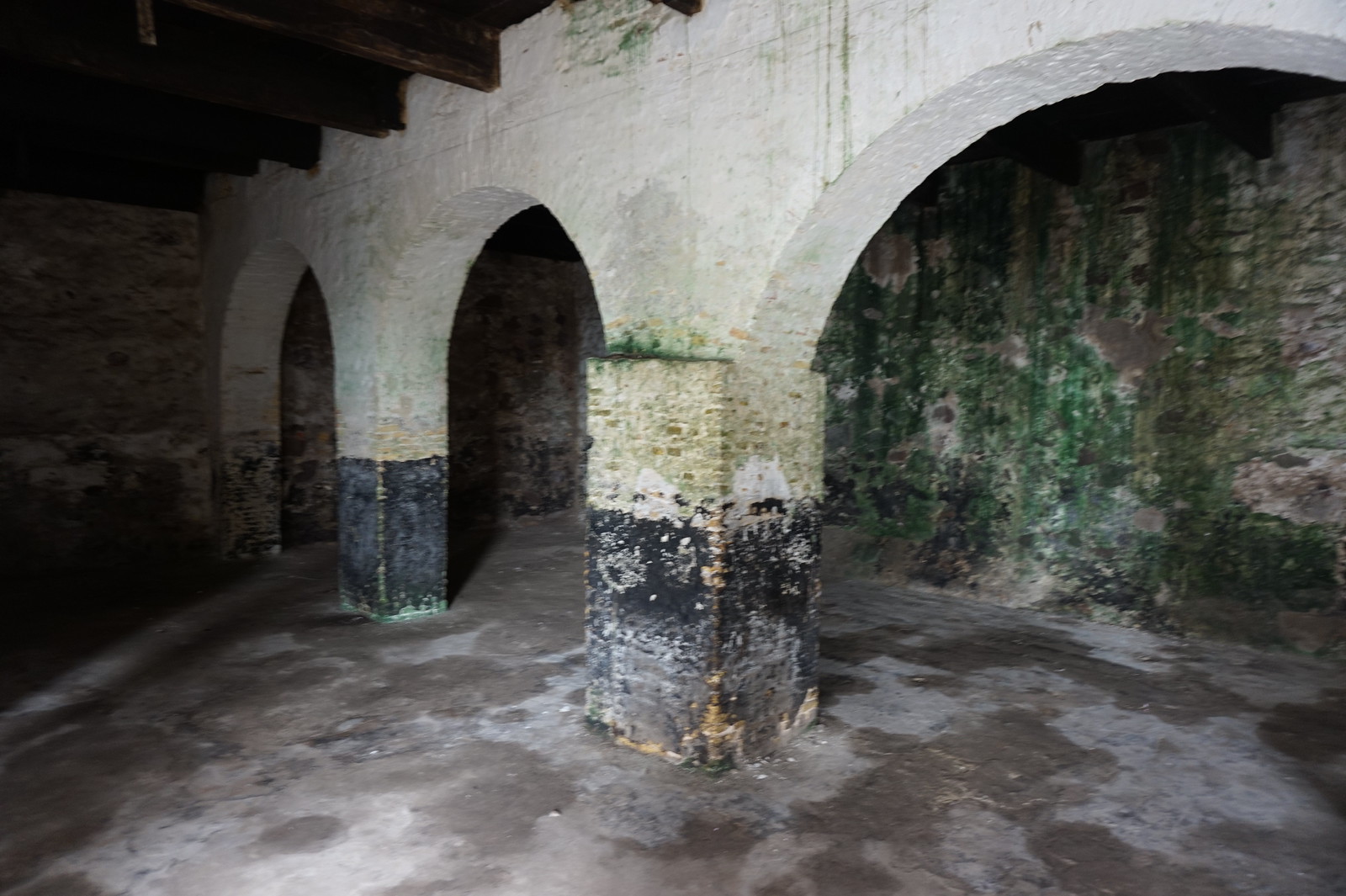
Dungeon for women
I stopped in Cape Coast only for gas. Although many Black Americans had headed for the town as soon as they touched ground in Ghana, I successfully avoided it for a year. Cape Coast Castle and the nearby Elmina Castle had been holding forts for captured slaves. The captives had been imprisoned in dungeons beneath the massive buildings and friends of mine who had felt called upon to make the trek reported that they felt the thick stone walls still echoed with old cries.

I allowed the shapes to come to my imagination: children passed tied together by ropes and chains, tears abashed, stumbling in dull exhaustion, then women, hair uncombed, bodies gritted with sand, and sagging in defeat. Men, muscles without memory, minds dimmed, plodding, leaving bloodied footprints in the dirt. The quiet was awful. None of them cried, or yelled, or bellowed. No moans came from them. They lived in a mute territory, dead to feeling and protest. These were the legions, sold by sisters, stolen by brothers, bought by strangers, enslaved by the greedy and betrayed by history.

All God's Children Need Traveling Shoes by Maya Angelou

Eric Akumiah, Ex Director of the Ghana Internet Registry on the state of digitization in Ghana #icadla4

Hot and humid good morning to Accra