

Tuesday, April 28, 2015

Saturday, April 18, 2015
“My God,” she said, “are you a Hoosier?” - Kurt Vonnegut #QotD (What's your granfalloon?)
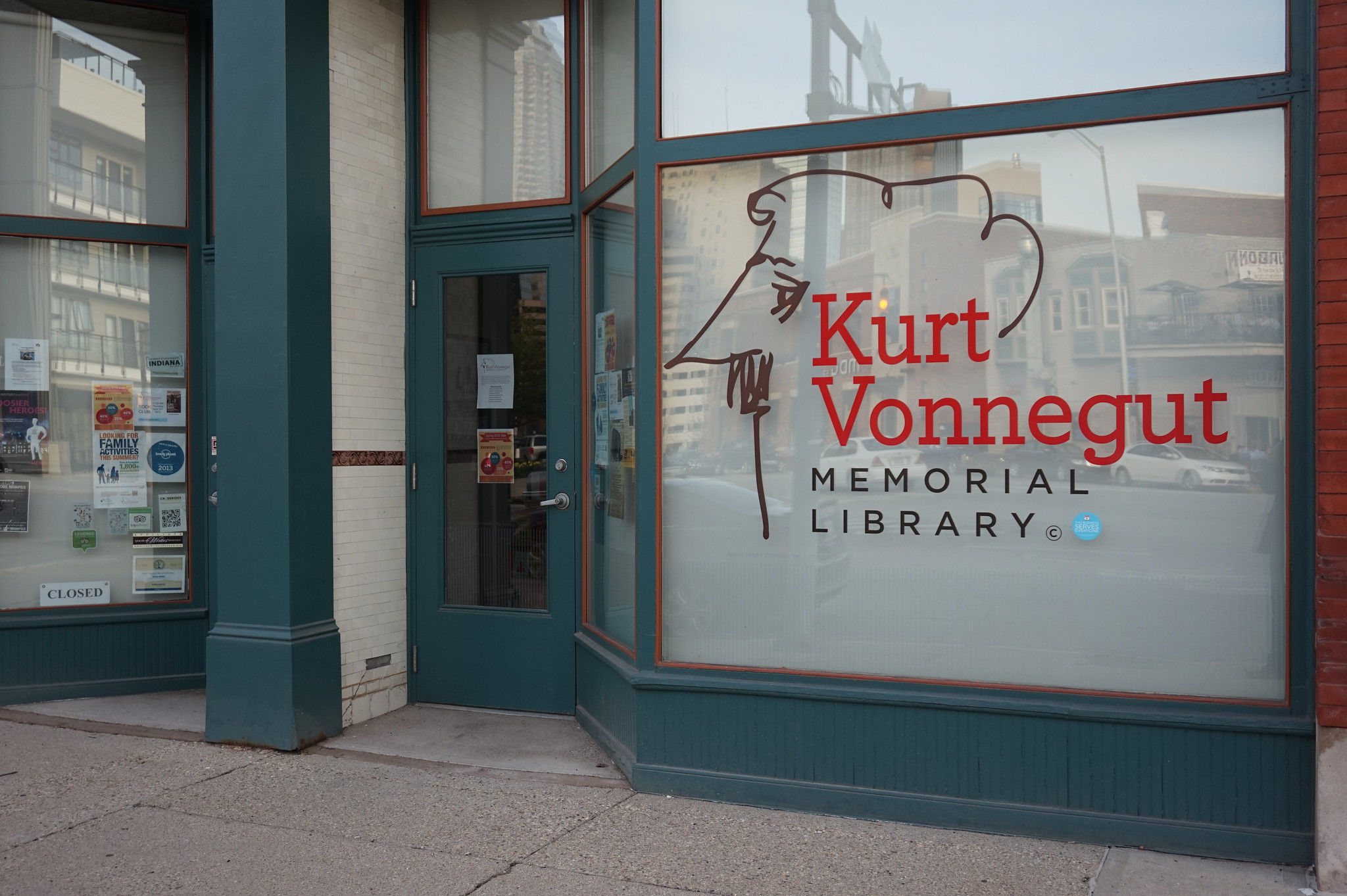 “My God,” she said, “are you a Hoosier?”
I admitted I was.
“I’m a Hoosier, too,” she crowed. “Nobody has to be ashamed of being a Hoosier.”
“I’m not,” I said. “I never knew anybody who was.”
“Hoosiers do all right. Lowe and I’ve been around the world twice, and everywhere we went we found Hoosiers in charge of everything.”
“That’s reassuring.”
“You know the manager of that new hotel in Istanbul?”
“No.”
“He’s a Hoosier. And the military-whatever-he-is in Tokyo …”
“Attaché,” said her husband.
“He’s a Hoosier,” said Hazel. “And the new Ambassador to Yugoslavia …”
“A Hoosier?” I asked.
“Not only him, but the Hollywood Editor of Life magazine, too. And that man in Chile …”
“A Hoosier, too?”
“You can’t go anywhere a Hoosier hasn’t made his mark,” she said.
“The man who wrote Ben Hur was a Hoosier.”
“And James Whitcomb Riley.”
...
Hazel’s obsession with Hoosiers around the world was a textbook example of a false karass, of a seeming team that was meaningless in terms of the ways God gets things done, a textbook example of what Bokonon calls a granfalloon. Other examples of granfalloons are the Communist party, the Daughters of the American Revolution, the General Electric Company, the International Order of Odd Fellows—and any nation, anytime, anywhere.
Kurt Vonnegut, Jr., Cat's Cradle


Friday, April 17, 2015


Thursday, April 16, 2015


Wednesday, April 15, 2015
"My Captain does not answer, his lips are pale and still" Whitman, the Death of Lincoln, For the Ages & Angels #QotD
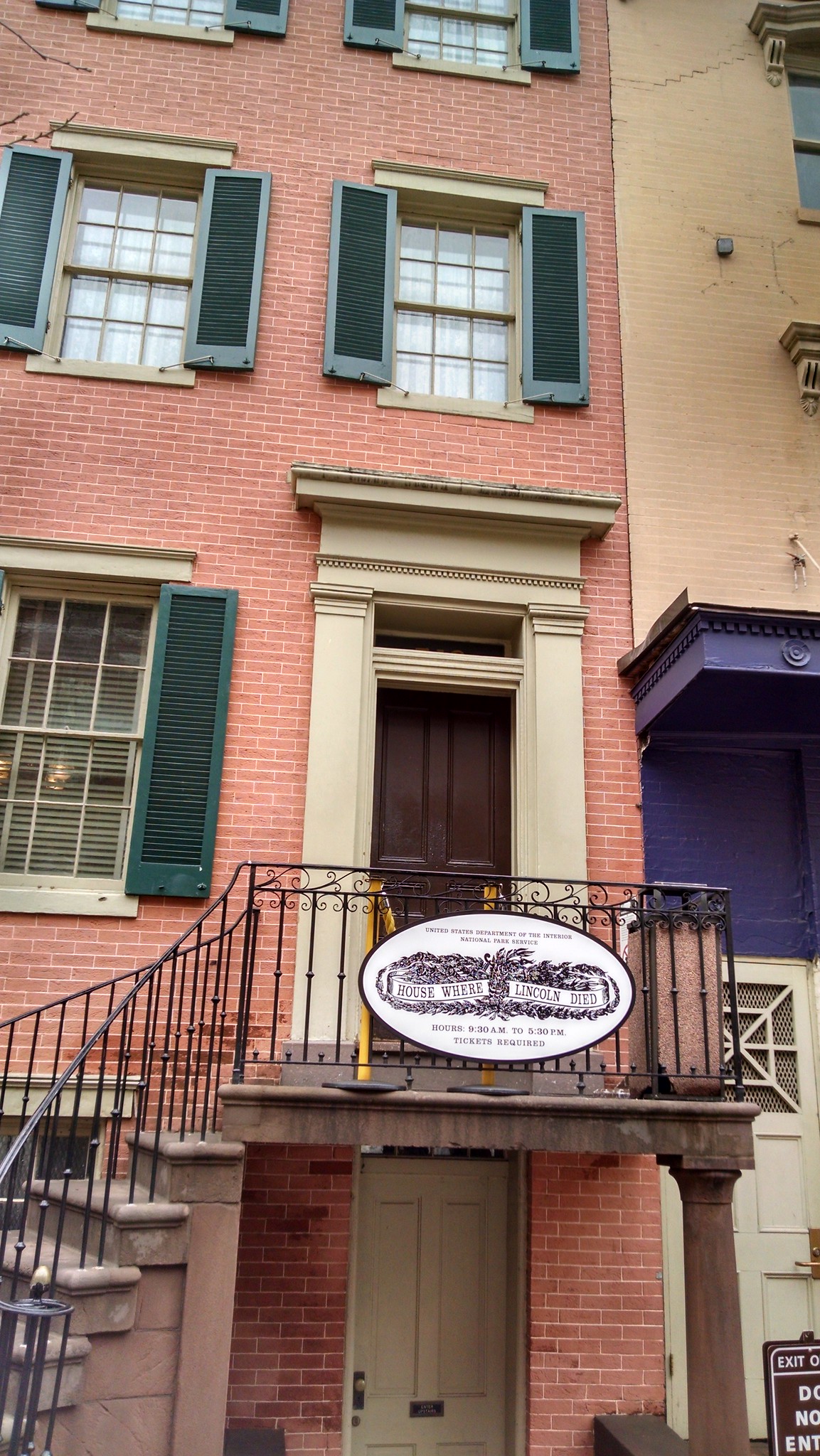 And today marks the death of Abraham Lincoln ... the Petersen House across from Ford's Theatre.
* * * * *
O Captain! my Captain! rise up and hear the bells;
Rise up—for you the flag is flung—for you the bugle trills;
For you bouquets and ribbon’d wreaths—for you the shores a-crowding;
For you they call, the swaying mass, their eager faces turning;
Here Captain! dear father!
This arm beneath your head;
It is some dream that on the deck,
You've fallen cold and dead.
My Captain does not answer, his lips are pale and still;
My father does not feel my arm, he has no pulse nor will;
The ship is anchor’d safe and sound, its voyage closed and done;
From fearful trip, the victor ship, comes in with object won;
Exult, O shores, and ring, O bells!
But I, with mournful tread,
Walk the deck my Captain lies,
Fallen cold and dead.
"Oh Captain! My Captain!"
Walt Whitman (Leaves of Grass, 1900 edition)
1.5 million views on Flickr!
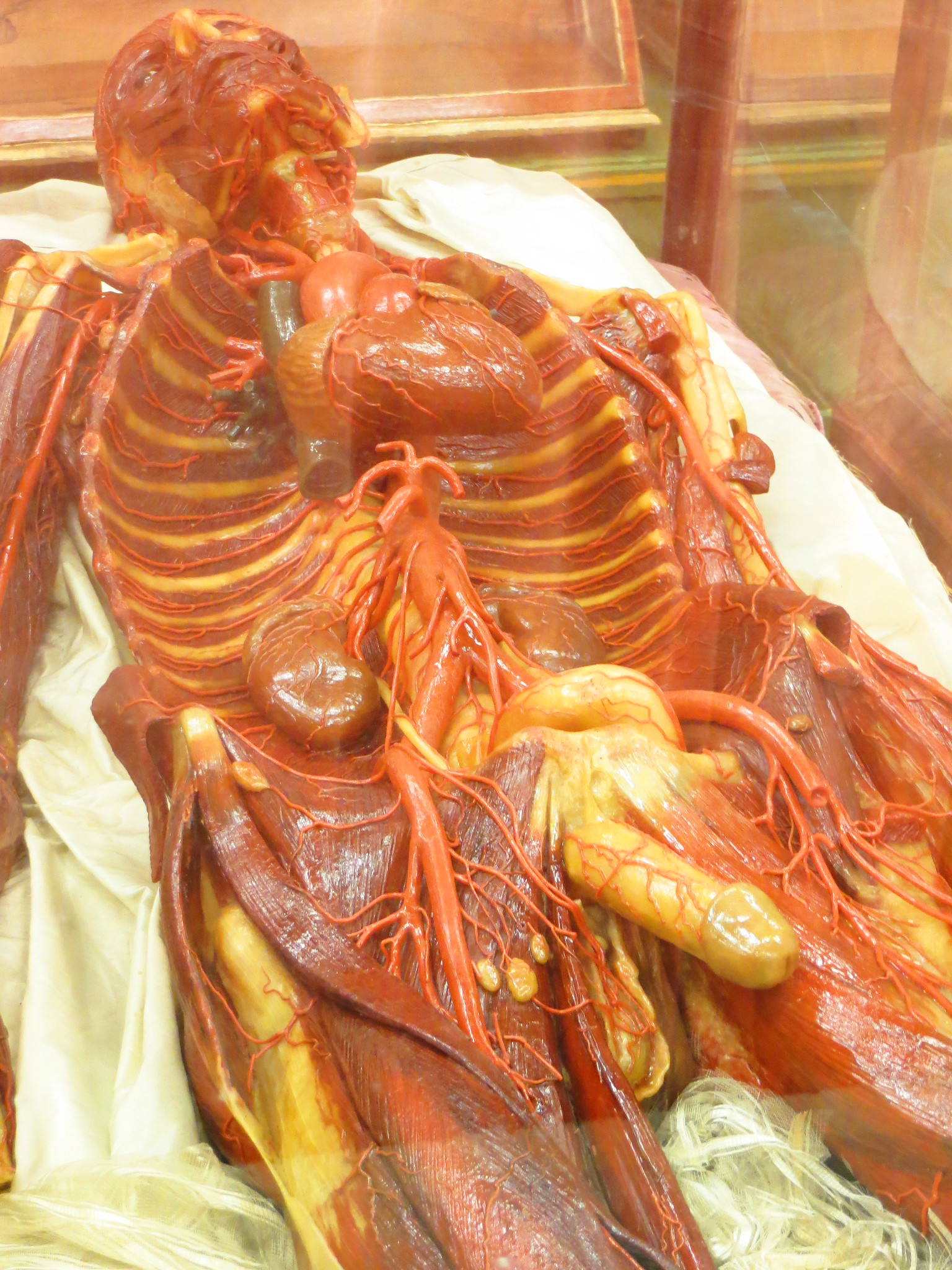 Sometime during the night, I hit 1.5 million views on my Flickr stream. Not a log by some standards, but still a big number.
This picture has been a big hit for the past few days for some reason, as are others from this visit to the La Specola: Anatomical Wax collections in Florence in November 2013.
Tuesday, April 14, 2015
"O Captain! my Captain! our fearful trip is done" W. Whitman, the assasination of Abraham Lincoln #QotD

Today marks the 150th anniversary of the assassination of Abraham Lincoln.
The ship has weather’d every rack, the prize we sought is won;
The port is near, the bells I hear, the people all exulting,
While follow eyes the steady keel, the vessel grim and daring:
But O heart! heart! heart!
O the bleeding drops of red,
Where on the deck my Captain lies,
Fallen cold and dead.
"Oh Captain! My Captain!"
Walt Whitman (Leaves of Grass, 1900 edition)

Closing plenary @ #cni15s by Carole Palmer of @UW_iSchool, Realizing the Potential of Research Data

Carole L. Palmer
Professor
Associate Dean for Research
Information School
University of Washington
Efforts to harness and exploit digital research data have proliferated at a dizzying pace. We have an abundance of reports by federal agencies on data, cyberinfrastructure, and e-science, and are experiencing rampant growth in data repositories and archives. New professional groups and meetings regularly emerge and overlap, while some formal academic programs and continuing education options for data professionals become established. Informatics is becoming a familiar mode of inquiry in nearly all fields of study. As the discourse on big data and data science continues to get wider and louder, expectations for data sharing and cross-disciplinary access and use intensify. Yet, our base of fundamental knowledge on data is, at best, nascent and scattered. To achieve the envisioned potential of science with data, we need to invest in the science of data. Drawing on my experience with several research and education initiatives in data curation, I will discuss factors that make data valuable and sharable within and across research cultures, and the changing demands for data curation expertise and responsibility in research libraries, data centers, universities, and the corporate sector. With data as the object of study and focus of education, we can move toward coherent centers of excellence in data resources and services and gain a better return on our investment in the promise of abundant data.
"Building a Vast Library of Life" @BioDivLibrary presentation at #CNI15S in Seattle with Nancy E. Gwinn
Building a Vast Library of Life: The Biodiversity Heritage Library Looks to the Future. Nancy E. Gwinn & Martin R. Kalfatovic. CNI Spring 2015 Meeting. Seattle, 13 April 2015.
As the Biodiversity Heritage Library (BHL) is an international consortium of natural history museums, botanical gardens, agricultural, university, biological research libraries, and like organizations and institutions (“BHL Member Institutions”) whose purpose which improves research methodology by collaboratively making biodiversity literature openly available to the world as part of a global biodiversity community. As the BHL approaches its 10th anniversary, it has transformed its partner organizations, built a robust technology infrastructure and community, and developed an organizational framework for sustainability. This session will provide a brief look back on the past of BHL and focus on key strategies and challenges as BHL looks towards its second decade in a dramatically changed networked environment.
Building a Vast Library of Life: The Biodiversity Heritage Library Looks to the Future from Martin Kalfatovic
As the Biodiversity Heritage Library (BHL) is an international consortium of natural history museums, botanical gardens, agricultural, university, biological research libraries, and like organizations and institutions (“BHL Member Institutions”) whose purpose which improves research methodology by collaboratively making biodiversity literature openly available to the world as part of a global biodiversity community. As the BHL approaches its 10th anniversary, it has transformed its partner organizations, built a robust technology infrastructure and community, and developed an organizational framework for sustainability. This session will provide a brief look back on the past of BHL and focus on key strategies and challenges as BHL looks towards its second decade in a dramatically changed networked environment.

Challenges Presented By Institutional Identifiers by @karens_y

Program Officer
OCLC Research
Institutions wish to enhance and promote their reputation to attract funders and faculty and to increase their ranking. Since universities change their official names as part of branding activities, academic departments change their names to reflect new curricular emphasis, and schools merge with or separate from parent institutions, institutional identifiers are crucial to accurately represent scholars' affiliations both on their output and on grant applications. Institutions may not realize they already have such an institutional identifier, ISNI, and that this identifier has already been disseminated, used by ORCID and included in VIAF and Wikidata. This project briefing summarizes the current work of an OCLC Research task force on use cases and challenges of representing organizations in the ISNI database.
http://www.isni.org/content/oclc-research-partners-task-force-representing-organizations-isni

Monday, April 13, 2015
Presentation on @SILibraries Smithsonian Research Online at #CNI15S in Seattle
For the Increase and Diffusion of Knowledge: The Smithsonian's Research Online (SRO), Supporting Smithsonian Institution’s Plan to Provide Increased Public Access to Federally Funded Publications and Digital Research Materials. Martin R. Kalfatovic. CNI Spring 2015 Meeting. Seattle, 13 April 2015.
Thanks to Alvin Hutchinson, Richard Naples, and all Smithsonian Libraries' staff who help make the SRO a success.
Smithsonian Research Online (SRO) is a key tool in the Smithsonian's goal to implement the White House's "Increasing Access to the Results of Federally Funded Scientific Research" mandate. A pan-Smithsonian team developed the Smithsonian Institution plan and draft Implementation Manual that will meet the requirement laid out in by the Office of Science and Technology Policy (OSTP). The existing SRO platform (and associated digital repository) will serve as key components of the Smithsonian's plan which will also user additional tools and resources being developed by the wider ARL and publishers' community. The Smithsonian OSTP Plan was a cooperative response developed by Smithsonian Libraries, Smithsonian Institution Scholarly Press, Smithsonian researchers, the Office of General Counsel, and the Office of the Chief Information Officer, under the guidance of the Smithsonian's Deputy Under Secretary for Collections and Interdisciplinary Support. This session will outline the interactions of the various portions of the draft plan and its manifestation in a non-university environment.
Thanks to Alvin Hutchinson, Richard Naples, and all Smithsonian Libraries' staff who help make the SRO a success.
For the Increase and Diffusion of Knowledge: The Smithsonian's Research Online (SRO), Supporting Smithsonian Institution’s Plan to Provide Increased Public Access to Federally Funded Publications and Digital Research Materials from Martin Kalfatovic
Smithsonian Research Online (SRO) is a key tool in the Smithsonian's goal to implement the White House's "Increasing Access to the Results of Federally Funded Scientific Research" mandate. A pan-Smithsonian team developed the Smithsonian Institution plan and draft Implementation Manual that will meet the requirement laid out in by the Office of Science and Technology Policy (OSTP). The existing SRO platform (and associated digital repository) will serve as key components of the Smithsonian's plan which will also user additional tools and resources being developed by the wider ARL and publishers' community. The Smithsonian OSTP Plan was a cooperative response developed by Smithsonian Libraries, Smithsonian Institution Scholarly Press, Smithsonian researchers, the Office of General Counsel, and the Office of the Chief Information Officer, under the guidance of the Smithsonian's Deputy Under Secretary for Collections and Interdisciplinary Support. This session will outline the interactions of the various portions of the draft plan and its manifestation in a non-university environment.
Social Networks & Archival Context: From R&D To Cooperative Program / Pitti & @Tingletech #cni15s

Associate Director, Institute for Advanced Technology in the Humanities
University of Virginia
Brian Tingle
Technical Lead, Access & Publishing, California Digital Library
University of California
Social Networks and Archival Context (SNAC [2010- ]), currently a research project, is in the early stages of being transformed into an international archival description cooperative hosted by the U.S. National Archives and Records Administration. The long-term technological objective for the Cooperative is a platform that will support a continuously expanding, curated corpus of reliable biographical descriptions of people linked to and providing contextual understanding of the historical records that function as primary evidence for understanding their lives and work. In the research phase, SNAC has demonstrated that the descriptions of people embedded in archival descriptions of historical records can be extracted and assembled into a social-document network. This network provides the foundation for a History Research Tool that provides integrated access to dispersed historical resources as well as the social and historical context for understanding and interpreting the resources. The Cooperative will be responsible for the ongoing expansion and curation of the assembled SNAC social-document data and the ongoing development of the History Research Tool.
Stewarding the Scholarly Record at the U of AZ / @Librarywiz , M Oxnan, & K Chapman

Associate Librarian, Vitae Project Manager, Libraries
University of Arizona
Kimberly Chapman
Director, Campus Repository Services
University of Arizona
Jeremy Frumkin
Assistant Dean for Technology Strategy
University of Arizona
The University of Arizona (UA) Libraries has an evolving strategy to steward the scholarly record of the institution. As a key component of this strategy the Libraries have a leadership role in implementing UA Vitae, a mandated online faculty activity reporting system with initial focus on supporting the faculty evaluation process. In partnership with the Office of the Provost and Campus Computing, the Libraries contribute expertise in support of this campus initiative. Leveraging the data from this effort to capture a more holistic view of the scholarly record provides opportunities for the Libraries to partner on approaches to utilizing, stewarding, and exposing the scholarly record. This presentation will describe the University and the Library's evolving strategies in regard to defining and stewarding the scholarly record, our experiences with the build-out of the faculty activity reporting system, and next steps in bringing together information and systems that are transforming our University.
http://uavitae.arizona.edu


"The bluest sky you've ever seen, in Seattle" #QotD
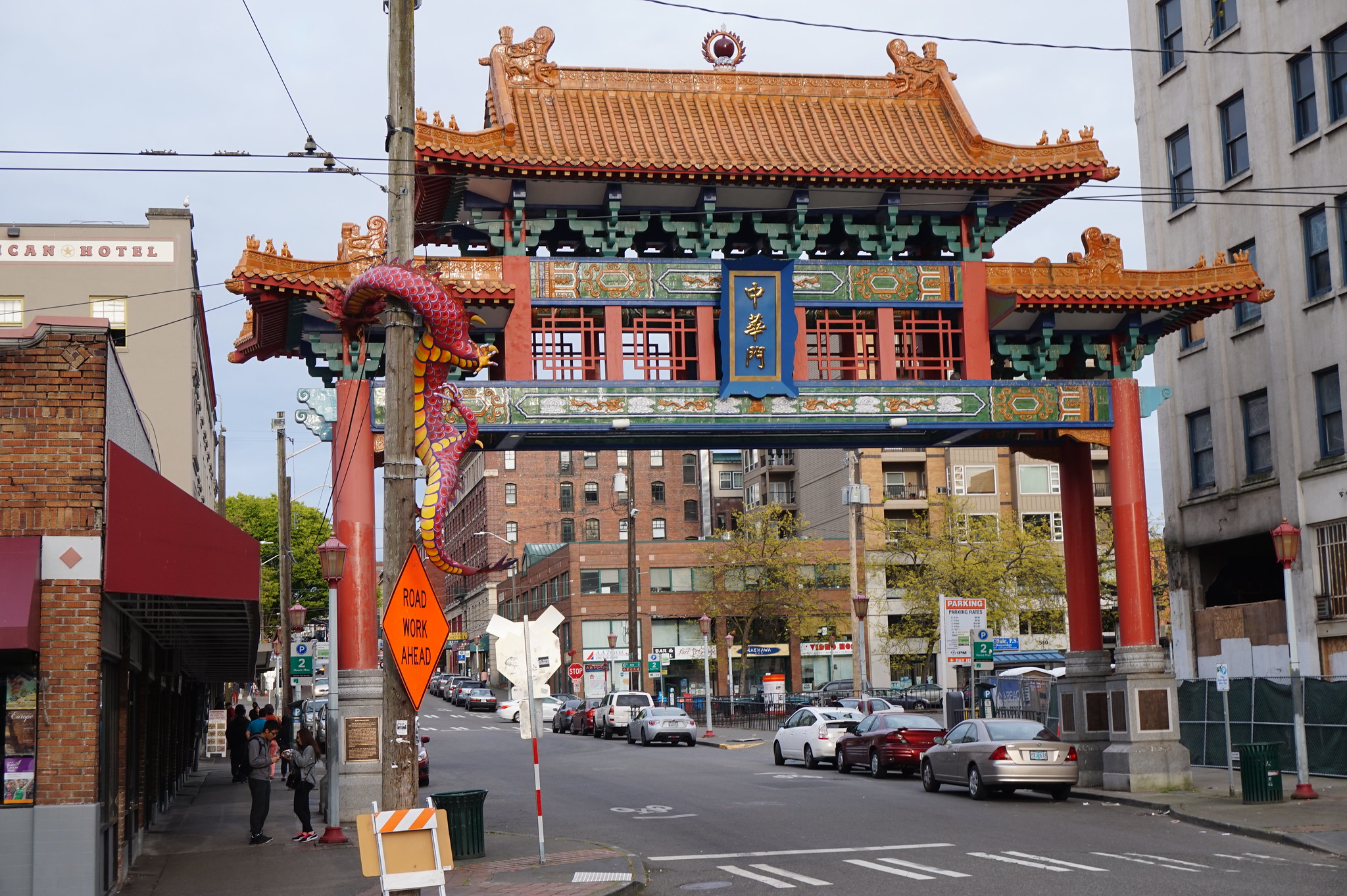 The bluest sky you've ever seen, in Seattle.
 And the hills the greenest green, in Seattle.
Like a beautiful child
Growing up, free and wild.
Full of hopes and full of fears,
Full of laughter, full of tears,
Full of dreams to last a year
In Seattle.
- "Seattle" sung by Bobby Sherman
You don't get tooo many blue skies in Seattle, but sometimes you do ... this was the theme song to "Here Come the Brides" (a 1960s sort of sitcom) with Bobby Sherman. Perry Como also had a hit with the song.
Sunday, April 12, 2015

Wednesday, April 08, 2015


Tuesday, April 07, 2015

Sunday, April 05, 2015
"The most beautiful and altogether charming city of Holland is Leyden" R. Lovett #QotD
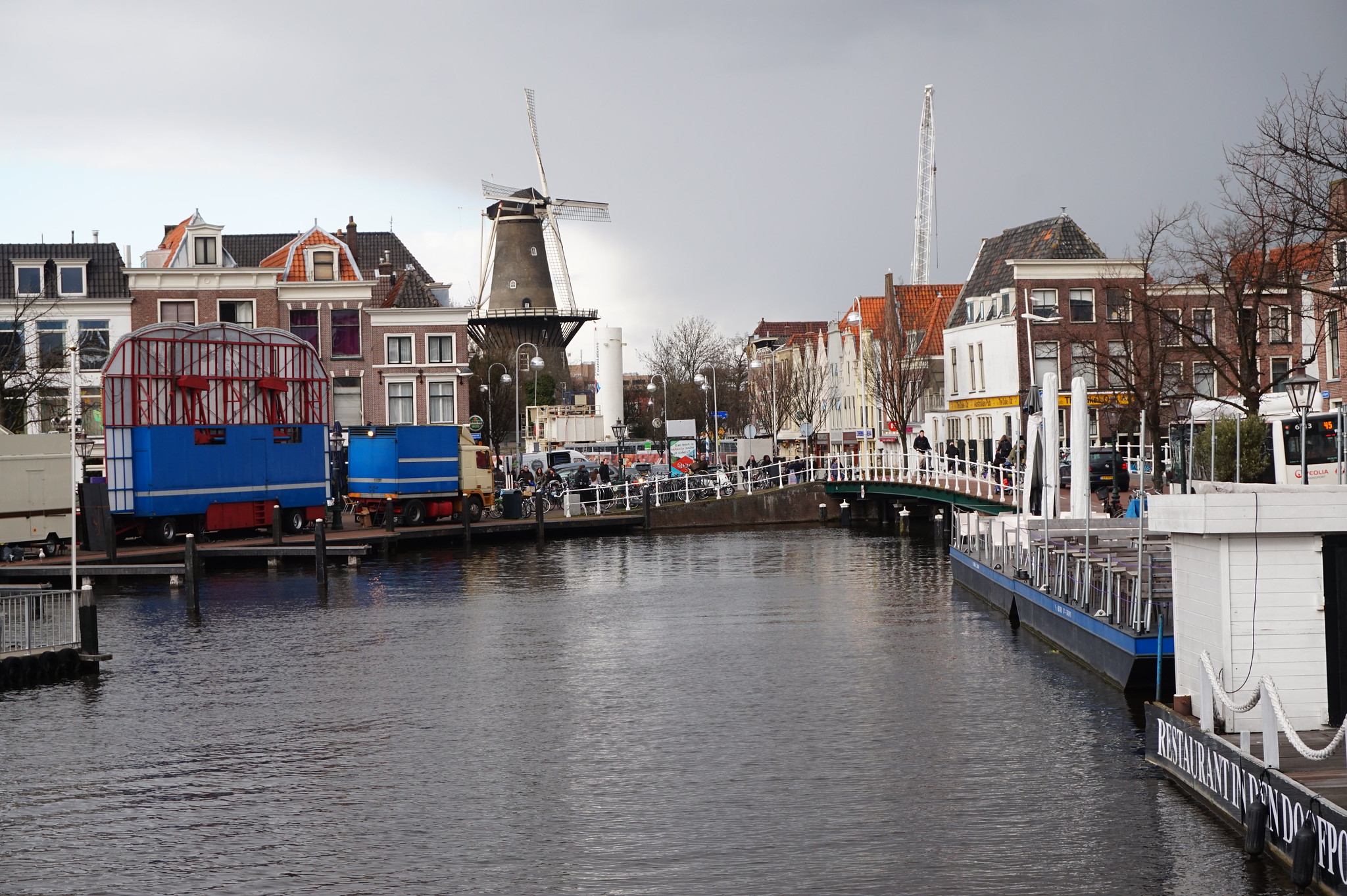 "Although we cannot see its streets crowded with 100,000
inhabitants, as did those who visited it in the Sixteenth
Century, nor can we fully endorse the description of Leyden
given by the old French writer in his book, Les Delices de
Leide, yet we can sympathise to some extent with him when
he says: "The most beautiful and altogether charming city
of Holland is Leyden."
pp. 191-92
"Although we cannot see its streets crowded with 100,000
inhabitants, as did those who visited it in the Sixteenth
Century, nor can we fully endorse the description of Leyden
given by the old French writer in his book, Les Delices de
Leide, yet we can sympathise to some extent with him when
he says: "The most beautiful and altogether charming city
of Holland is Leyden."
pp. 191-92"Holland and Delft" by Richard Lovett in Holland as seen and described by famous writers (1906) Edited by Esther Singleton


Saturday, April 04, 2015
"In the main street stands the chief architectural adornment of the city, the old Seventeenth Century Town Hall." R. Lovett #QotD
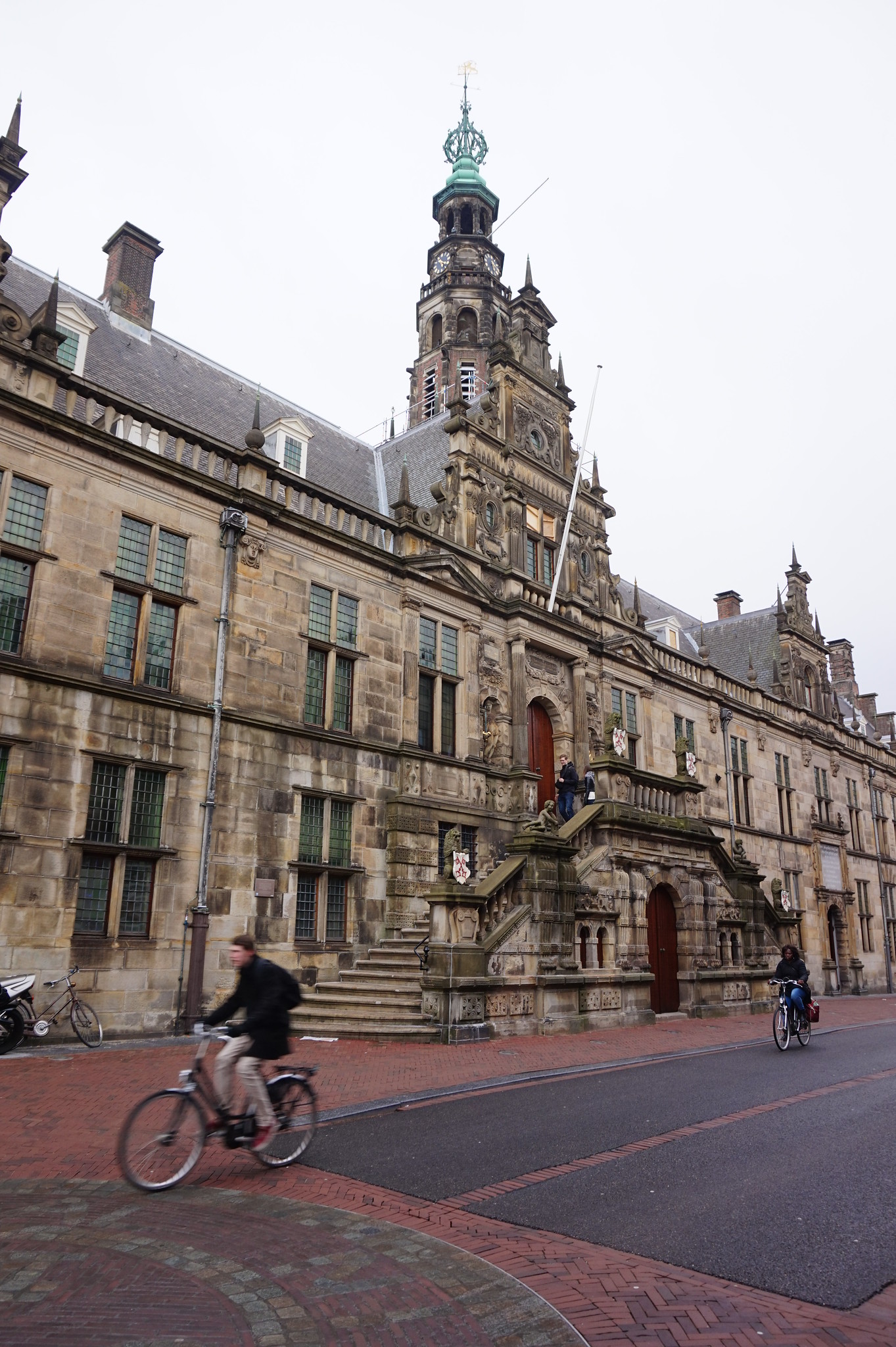 "In the main street stands the chief architectural adornment of the city, the old Seventeenth Century Town Hall. It is well able to hold its own as a picturesque
and typical example of Dutch building of that day. The
spire is especially fine." p. 191
"In the main street stands the chief architectural adornment of the city, the old Seventeenth Century Town Hall. It is well able to hold its own as a picturesque
and typical example of Dutch building of that day. The
spire is especially fine." p. 191"Holland and Delft" by Richard Lovett in Holland as seen and described by famous writers (1906) Edited by Esther Singleton
"Rotterdam is seafaring, Amsterdam is commercial, Haarlem artistic, Leyden refined, cultured, literary" R Lovett #QotD
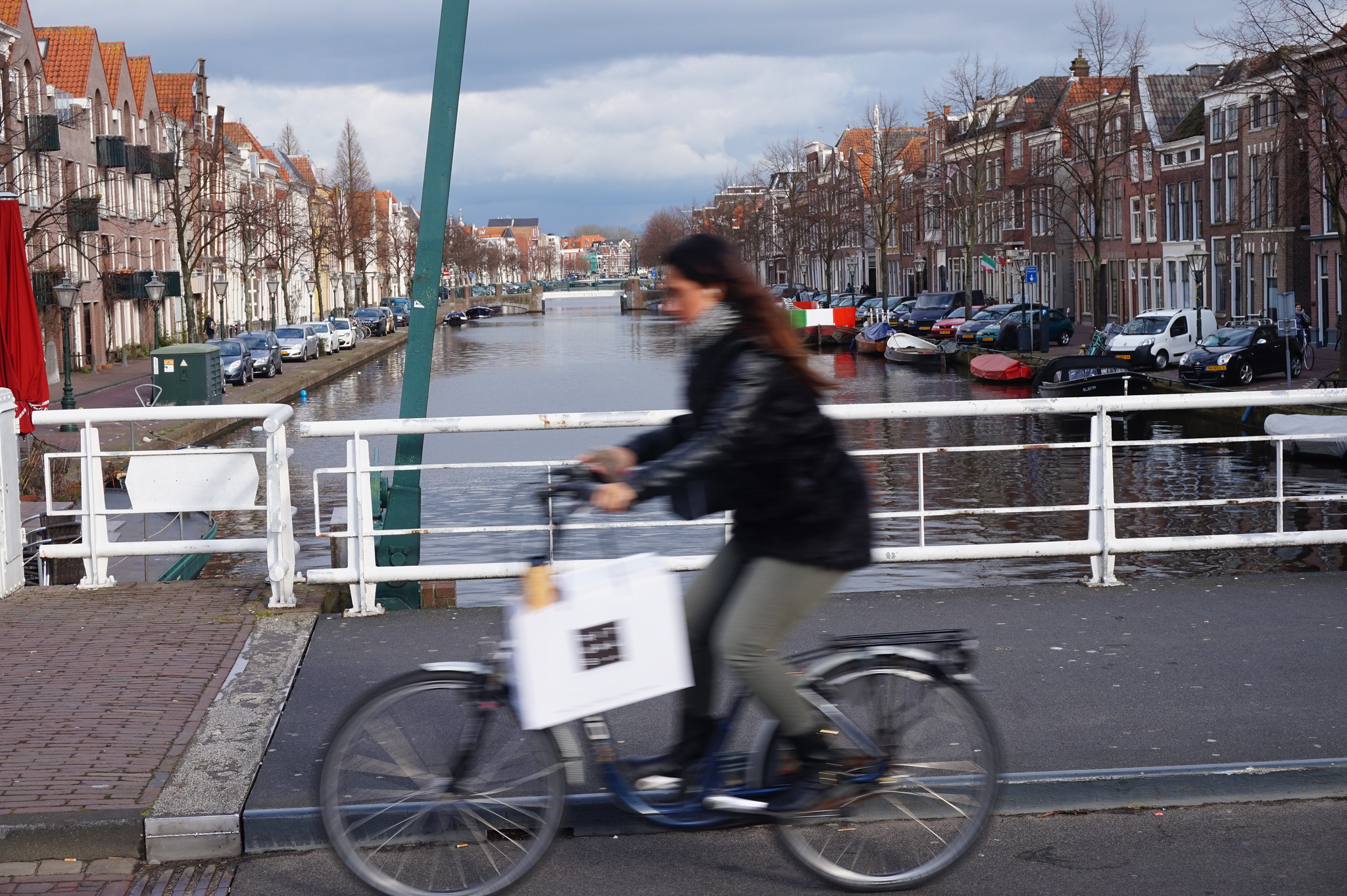 "To-day, as the stranger wanders along the wide and shady
canals, passes the students' club, looks in at any one of the
numerous museums, or visits the University itself, he everywhere meets with abundant evidence that Leyden is essentially an academic town, Rotterdam is seafaring, Amsterdam
is commercial, Haarlem artistic, Leyden refined, cultured, literary." p. 191
"To-day, as the stranger wanders along the wide and shady
canals, passes the students' club, looks in at any one of the
numerous museums, or visits the University itself, he everywhere meets with abundant evidence that Leyden is essentially an academic town, Rotterdam is seafaring, Amsterdam
is commercial, Haarlem artistic, Leyden refined, cultured, literary." p. 191"Holland and Delft" by Richard Lovett in Holland as seen and described by famous writers (1906) Edited by Esther Singleton
... the Breedestraat, the main thoroughfare, has several handsome buildings in addition to the ancient Town Hall" R. Lovett #QotD
"Leyden is only a few miles
north of The Hague, and the railway runs through a fertile
agricultural district. It is situated on the Rhine, the waters
of that river entering the city in two branches, the Old and New Rhine, uniting near its centre and flowing slowly through the town. Like Haarlem, it conveys the impression
of being well-to-do. The people are well dressed, the houses
are clean and commodious; the Breedestraat, the main thoroughfare, has several handsome buildings in addition to the ancient Town Hall; and the great University has not only
earned a world-wide reputation, but also brings yearly into
the town hundreds of young students, drawn to a large
extent from the best families in Holland." p. 188"Holland and Delft" by Richard Lovett in Holland as seen and described by famous writers (1906) Edited by Esther Singleton
"I went to see the Cathedral of St. Bavon" Bayard Taylor #QotD
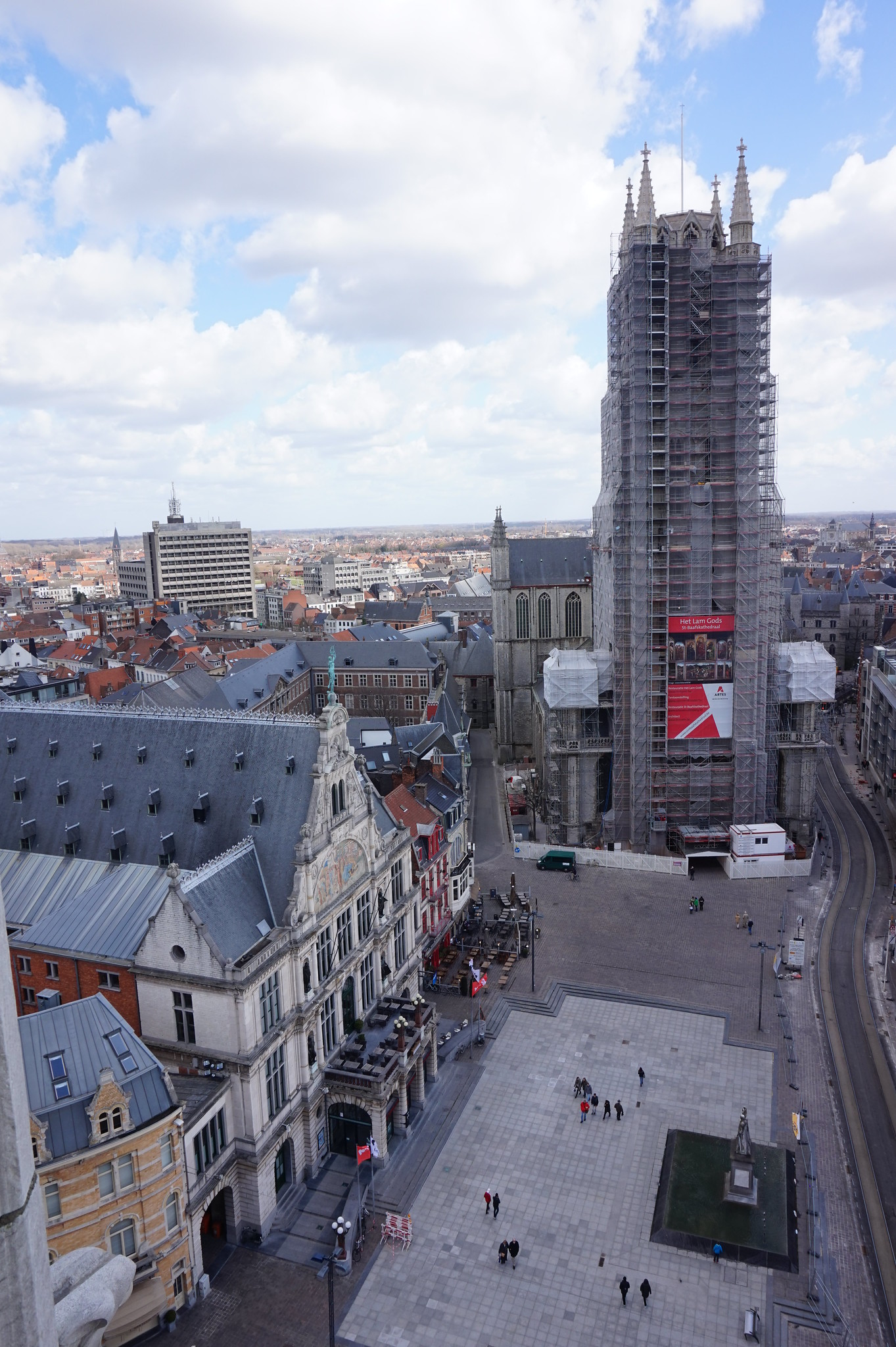 I awoke once in the night and saw the dark branches of trees
passing before the window, but there was no perceptible sound
nor motion; the boat glided along like a dream, and we were
awakened next morning by its striking against the pier at Ghent.
After paying three francs for the whole night journey, the captain
gave us a guide to the railroad station, and as we had nearly an
hour before the train left, I went to see the Cathedral of St. Bavon.
I awoke once in the night and saw the dark branches of trees
passing before the window, but there was no perceptible sound
nor motion; the boat glided along like a dream, and we were
awakened next morning by its striking against the pier at Ghent.
After paying three francs for the whole night journey, the captain
gave us a guide to the railroad station, and as we had nearly an
hour before the train left, I went to see the Cathedral of St. Bavon.After leaving Ghent, the road passes through a beautiful country, cultivated like a garden. The Dutch passion for flowers is displayed in the gardens around the cottages; even every vacant foot of ground along the railway is planted with roses and dahlias. At Ghent, the morning being fair, we took seats in the open cars. About noon it commenced raining and our situation was soon anything but comfortable. My cousin had fortunately a water-proof Indian blanket with him, which he had purchased in the "Far West," and by wrapping this around all three of us, we kept partly dry. I was much amused at the plight of a party of young Englishmen, who were in the same car; one of them held a little parasol which just covered his hat, and sent the water in streams down on his back and shoulders. p. 48-49
Bayard Taylor (1825-1878) was an American poet, literary critic, translator, and travel author. He published a couple of books on Egypt which is where I'd first heard of him when writing my book on Egyptian travel accounts, Nile Notes of a Howadji (1992).
" ... the Old and New Rhine, uniting near its centre and flowing slowly through the town." R. Lovett #QotD
 "Leyden is only a few miles
north of The Hague, and the railway runs through a fertile
agricultural district. It is situated on the Rhine, the waters
of that river entering the city in two branches, the Old and New Rhine, uniting near its centre and flowing slowly through the town. Like Haarlem, it conveys the impression
of being well-to-do. The people are well dressed, the houses
are clean and commodious; the Breedestraat, the main thoroughfare, has several handsome buildings in addition to the ancient Town Hall; and the great University has not only
earned a world-wide reputation, but also brings yearly into
the town hundreds of young students, drawn to a large
extent from the best families in Holland." p. 189
"Leyden is only a few miles
north of The Hague, and the railway runs through a fertile
agricultural district. It is situated on the Rhine, the waters
of that river entering the city in two branches, the Old and New Rhine, uniting near its centre and flowing slowly through the town. Like Haarlem, it conveys the impression
of being well-to-do. The people are well dressed, the houses
are clean and commodious; the Breedestraat, the main thoroughfare, has several handsome buildings in addition to the ancient Town Hall; and the great University has not only
earned a world-wide reputation, but also brings yearly into
the town hundreds of young students, drawn to a large
extent from the best families in Holland." p. 189"Holland and Delft" by Richard Lovett in Holland as seen and described by famous writers (1906) Edited by Esther Singleton
"The streets of this antique city are narrow and crooked, and the pointed, ornamented gables of the houses, produce a novel impression on one who has been accustomed to the green American forests." B Taylor #QotD
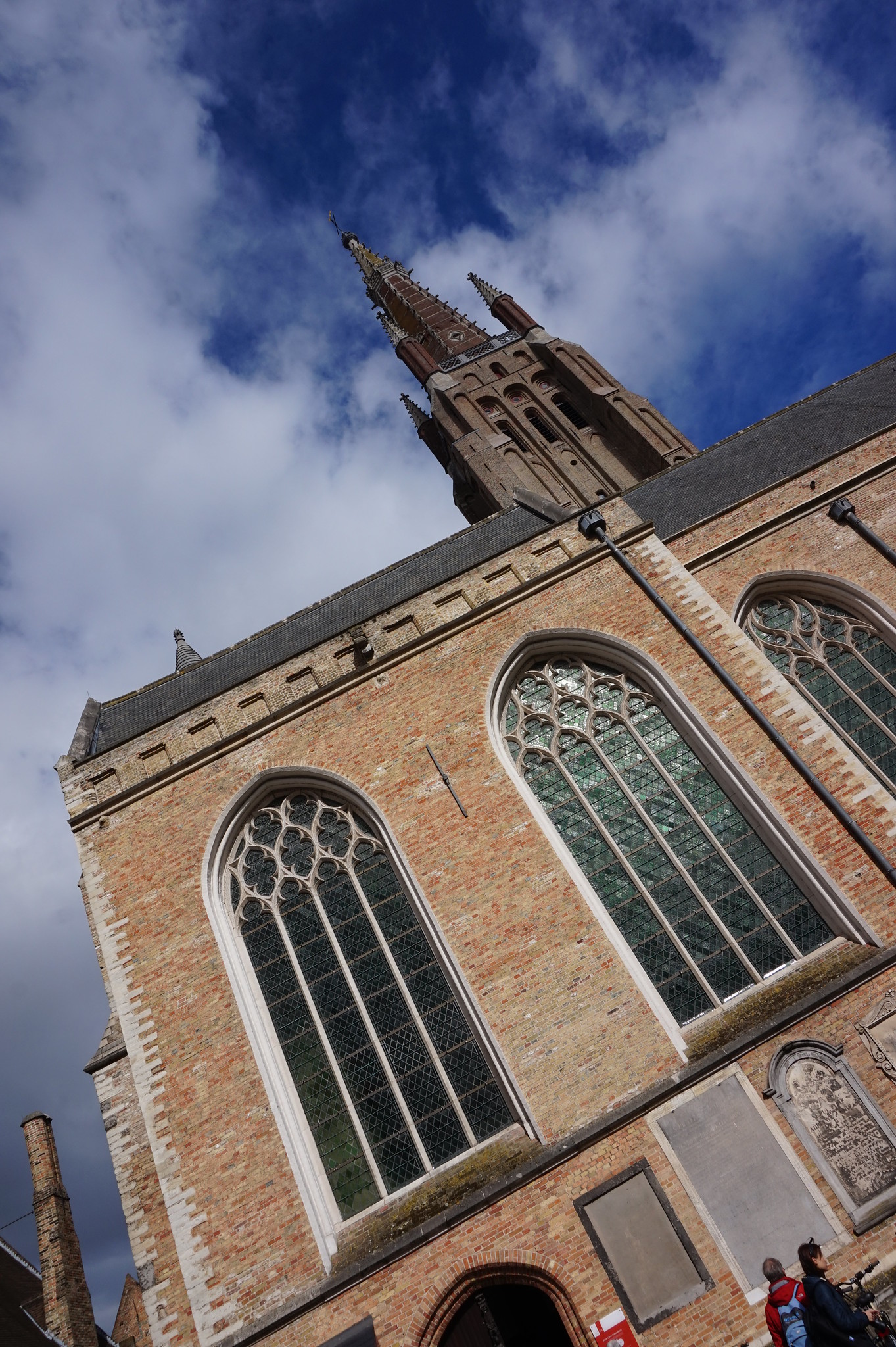 The streets of this antique city are narrow and crooked, and the pointed, ornamented gables of the houses, produce a
novel impression on one who has been accustomed to the green
American forests. Then there was the endless sound of wooden
shoes clattering over the rough pavements, and people talking in
that most unmusical of all languages, low Dutch. Walking at random through the streets, we came by chance upon the Cathedral of Notre Dame. I shall long remember my first impression
of the scene within. The lofty gothic ceiling arched far above
my head and through the stained windows the light came but
dimly — it was all still, solemn and religious. A few worshippers
were kneeling in silence before some of the shrines and the echo
of my tread seemed like a profaning sound. On every side were
pictures, saints and gilded shrines. A few steps removed one
from the bustle and din of the crowd to the stillness and solemnity
of the holy retreat.
The streets of this antique city are narrow and crooked, and the pointed, ornamented gables of the houses, produce a
novel impression on one who has been accustomed to the green
American forests. Then there was the endless sound of wooden
shoes clattering over the rough pavements, and people talking in
that most unmusical of all languages, low Dutch. Walking at random through the streets, we came by chance upon the Cathedral of Notre Dame. I shall long remember my first impression
of the scene within. The lofty gothic ceiling arched far above
my head and through the stained windows the light came but
dimly — it was all still, solemn and religious. A few worshippers
were kneeling in silence before some of the shrines and the echo
of my tread seemed like a profaning sound. On every side were
pictures, saints and gilded shrines. A few steps removed one
from the bustle and din of the crowd to the stillness and solemnity
of the holy retreat.We learned from the guide, whom we had engaged because he spoke a few words of English, that there was still a treckshuyt line on the canals, and that one boat leaves to-night at ten o'clock for Ghent. Wishing to try this old Dutch method of travelling, he took us about half a mile along the Ghent road to the canal, where a moderate sized boat was lying. Our baggage deposited in the plainly furnished cabin, I ran back to Bruges, although it was beginning to grow dark, to get a sight of the belfry; for Longfellow's lines had been running through my head all day:
"In the market place of Bruges, stands the belfry old and brown, Thrice consumed and thrice rebuilded, still it watches o'er the town."
 And having found the square, brown tower in one corner of
the open market square, we waited to hear the chimes, which are
said to be the finest in Europe. They rang out at last with a
clear silvery tone, most beautifully musical indeed. We then
returned to the boat in the twilight. We were to leave in about
an hour, according to the arrangement, but as yet there was no
sound to be heard, and we were the only tenants. However,
trusting to Dutch regularity, we went to sleep in the full confidence of awakening in Ghent. pp. 48-49
And having found the square, brown tower in one corner of
the open market square, we waited to hear the chimes, which are
said to be the finest in Europe. They rang out at last with a
clear silvery tone, most beautifully musical indeed. We then
returned to the boat in the twilight. We were to leave in about
an hour, according to the arrangement, but as yet there was no
sound to be heard, and we were the only tenants. However,
trusting to Dutch regularity, we went to sleep in the full confidence of awakening in Ghent. pp. 48-49Bayard Taylor (1825-1878) was an American poet, literary critic, translator, and travel author. He published a couple of books on Egypt which is where I'd first heard of him when writing my book on Egyptian travel accounts, Nile Notes of a Howadji (1992).
Friday, April 03, 2015
"There is little to be seen in Ostend. We wandered through long rows of plain yellow houses, trying to read the French and low Dutch signs" B Taylor #QotD
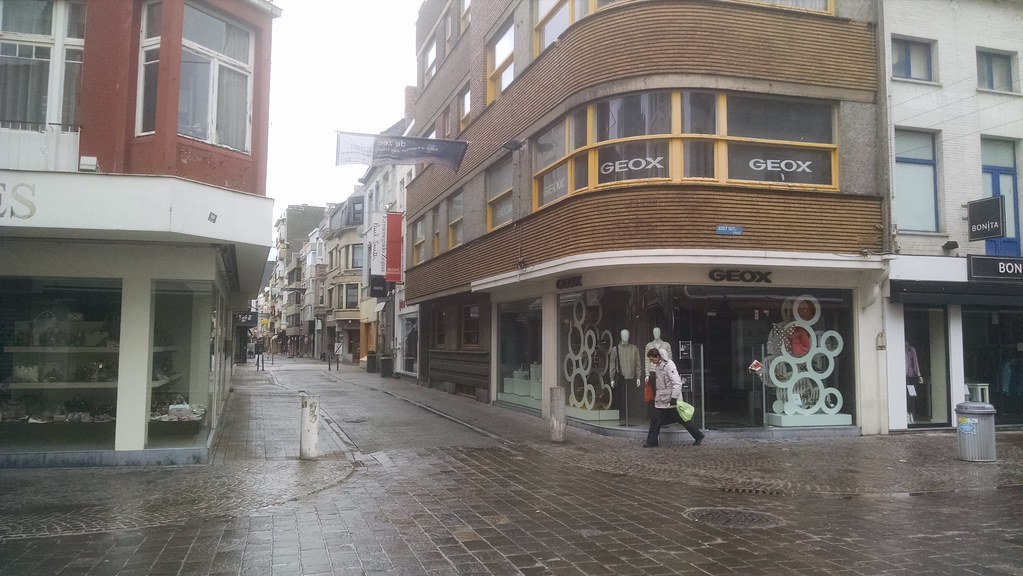
"On the low Belgian coast we could see trees and steeples, resembling a mirage over the level surface of the sea; at length, about ten o'clock, the square tower of Ostend came in sight. The boat passed into a long muddy basin, in which many unwieldy, red-sailed Dutch craft were lying, and stopped beside a high pier. Here amid the confusion of three languages, an officer came on board and took charge of our passports and luggage. As we could not get the former for two or three hours, we did not hurry the passing of the latter, and went on shore quite unincumbered, for a stroll about the city, disregarding the cries of the hackney-coachmen on the pier, "Hotel d'Angleterre," "Hotel des Bains!" and another who called out in English, "I recommend you to the Royal Hotel, sir!"
There is little to be seen in Ostend. We wandered through long rows of plain yellow houses, trying to read the French and low Dutch signs, and at last came out on the wall near the sea. A soldier motioned us back as we attempted to ascend it, and muttering some unintelligible words, pointed to a narrow street near. Following this out of curiosity, we crossed the moat and found ourselves on the great bathing beach. To get out of the hands of the servants who immediately surrounded us, we jumped into one of the little wagons and were driven out into the surf." p. 47
Views a-foot: or, Europe seen with knapsack and staff (1846) by Bayard Taylor

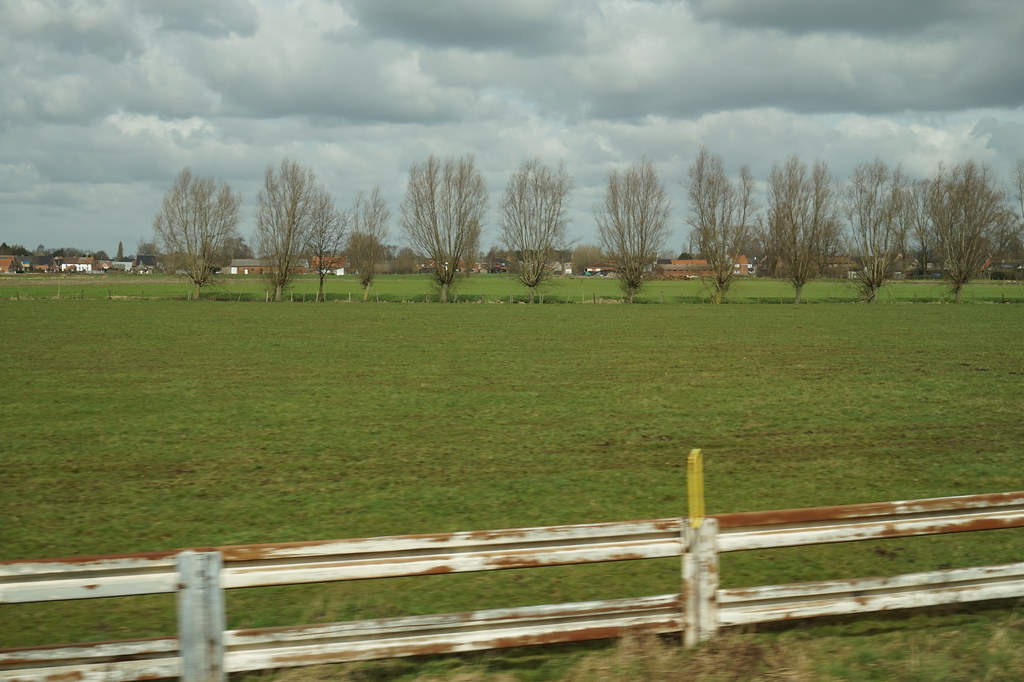
But to enjoy the Low Countries, we have to put on a very particular pair of spectacles and bend our nose well over our task, and, beyond our consciousness that our gains are real gains / H James #QotD
 "But to enjoy the Low
Countries, we have to put on a very particular pair of
spectacles and bend our nose well over our task, and,
beyond our consciousness that our gains are real gains,
remain decidedly at loss how to classify them. This is
the charming thing in Holland — the way one feels
one's observation lowered to a relish of the harmonies
of the minor key; persuaded to respect small things
and take note of small differences; so that really a
week's sojourn here, if properly used, ought to make
one at the worst a more reasonable, and at the best a
more kindly, person. The beauty which is no beauty;
the ugliness which is not ugliness; the poetry which is
prose, and the prose which is poetry; the landscape
which seems to be all sky until you have taken particular pains to discover it, and turns
out to be half water
when you have discovered it; the virtues, when they
are graceful (like cleanliness), exaggerated to a vice,
and when they are sordid (like the getting and keeping
of money), refined to a dignity; the mild gray light
which produced in Rembrandt the very genius of chiaroscuro ; the stretch of whole provinces
on the principles of a billiard- table, which produced a school of
consummate landscapists; the extraordinary, reversal
of custom, in which man seems, with a few windmills
and ditches, to do what he will, and Providence, holding the North Sea in the hollow of his
hand, what he can... " p. 383
"But to enjoy the Low
Countries, we have to put on a very particular pair of
spectacles and bend our nose well over our task, and,
beyond our consciousness that our gains are real gains,
remain decidedly at loss how to classify them. This is
the charming thing in Holland — the way one feels
one's observation lowered to a relish of the harmonies
of the minor key; persuaded to respect small things
and take note of small differences; so that really a
week's sojourn here, if properly used, ought to make
one at the worst a more reasonable, and at the best a
more kindly, person. The beauty which is no beauty;
the ugliness which is not ugliness; the poetry which is
prose, and the prose which is poetry; the landscape
which seems to be all sky until you have taken particular pains to discover it, and turns
out to be half water
when you have discovered it; the virtues, when they
are graceful (like cleanliness), exaggerated to a vice,
and when they are sordid (like the getting and keeping
of money), refined to a dignity; the mild gray light
which produced in Rembrandt the very genius of chiaroscuro ; the stretch of whole provinces
on the principles of a billiard- table, which produced a school of
consummate landscapists; the extraordinary, reversal
of custom, in which man seems, with a few windmills
and ditches, to do what he will, and Providence, holding the North Sea in the hollow of his
hand, what he can... " p. 383 Henry James, Transatlantic Sketches (1875)
The "Delft Dodo" at Naturalis

Literally a strange bird in the collection of minerals and ores, this skeleton of a dodo. It is the only dodo skeleton in the Netherlands. The bird lived on the African island of Mauritius, east of Madagascar. In 1940, the former museum of the faculty of Mining bought the skeleton in Paris. The dodo itself was already extinct about 250 years. Of the skeleton have been recreated the missing bones from plaster and along with the real bones brown dyed. Recently, the real difference so it is good to see. cleaned up,
""BELGIUM, in most itineraries, is visited conjointly with Holland...." Henry James #QotD
"BELGIUM, in most itineraries, is visited conjointly with Holland. This is all very well so long as Belgium is visited first; and my advice to travellers who relish a method in their emotions is in this region to reverse the plan which is generally most judicious, and proceed in all confidence from south to north. Passing from the Low Countries into Flanders, you come back into the common world again — into a picturesque phase of it, certainly, and a country rich in architectural and artistic treasures."
p. 391
Henry James, Transatlantic Sketches (1875)
Whoops, this trip I went the wrong way! But headed back north to Holland on the return trip ...
@BioDivLibrary presentation at Catalogue of Life Mini-Symposium
Looking Forward: The Biodiversity Heritage Library. Martin R. Kalfatovic. Catalogue of Life Mini-Symposium. Vlaams Instituut Voor De Zee / Flanders Marine Institute. Oostende, Belgium. 2 April 2015
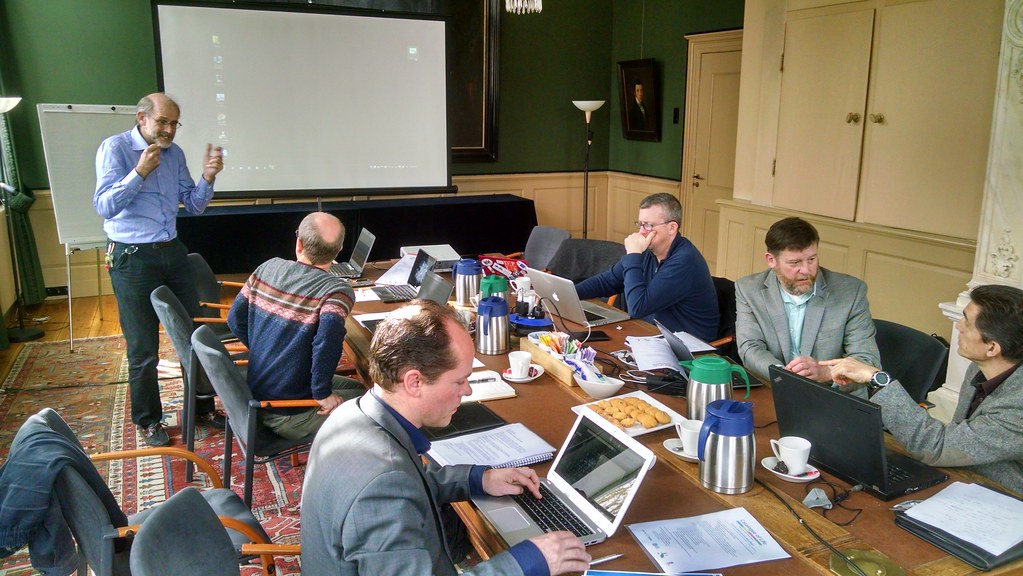
The other presenters on the panel were: Peter Schalk (Catalogue of Life / Naturalis) | Donald Hobern (GBIF) | Bob Corrigan
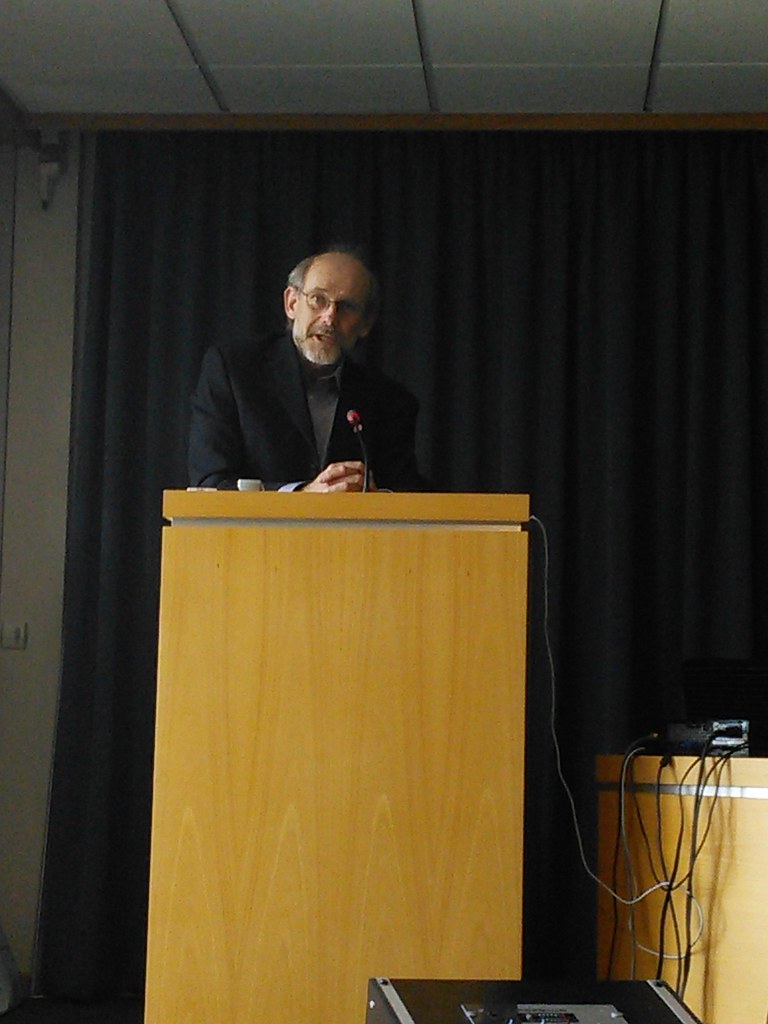


The other presenters on the panel were: Peter Schalk (Catalogue of Life / Naturalis) | Donald Hobern (GBIF) | Bob Corrigan
Thursday, April 02, 2015
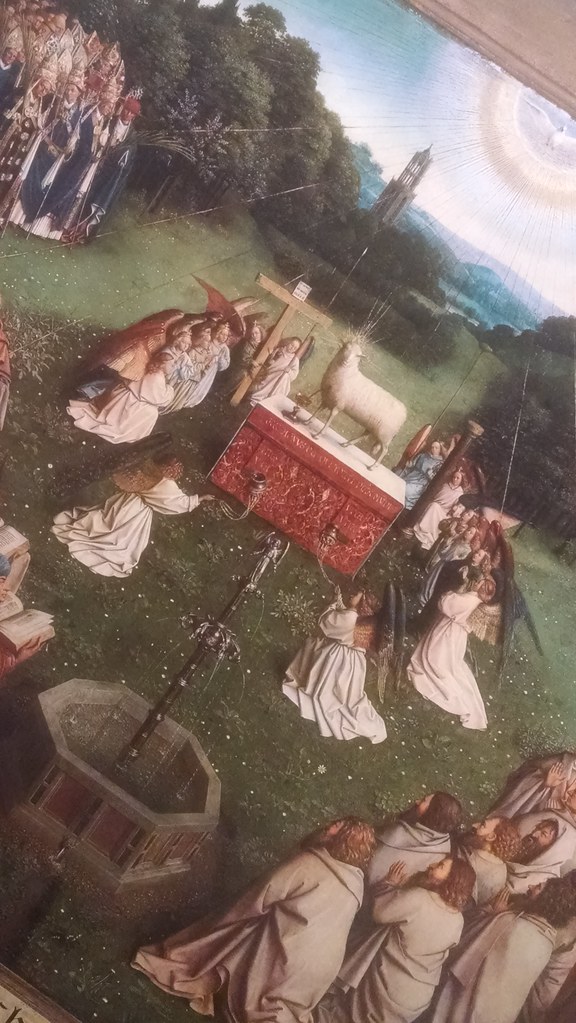
Ghent I found to be an enormous, empty city, with an old Flemish gable-end peeping here and there from its rows of dull, white houses, and various tall and battered old church-towers - H James #QotD
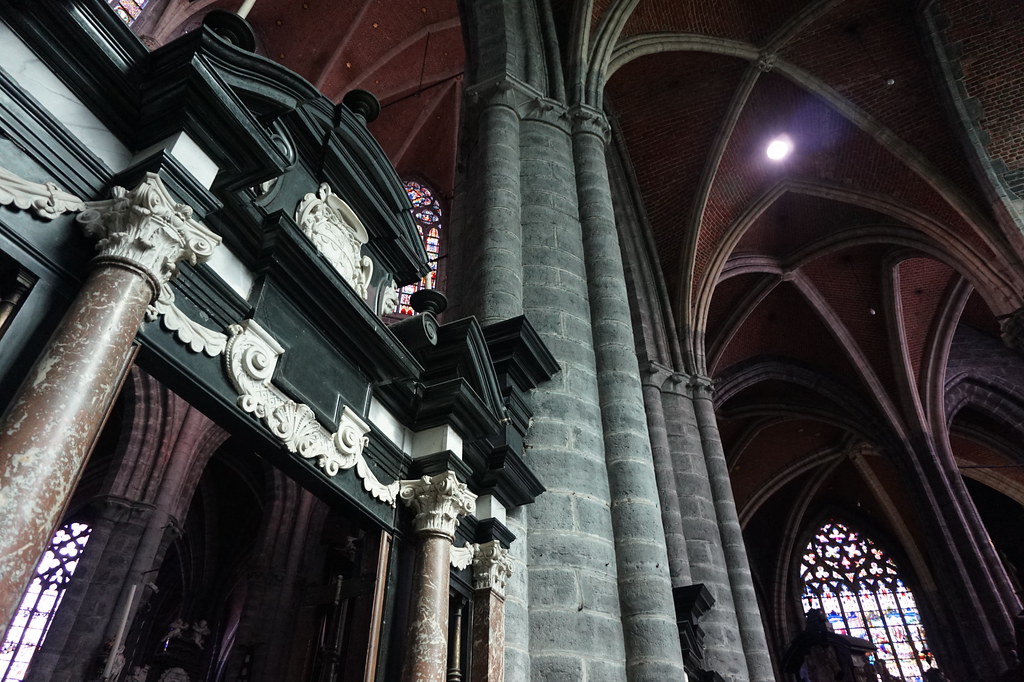 |
| St. Bavo's Church, location of the "Adoration of the Lamb" |
canals and mediaeval memories." p. 400-401
Henry James
Transatlantic Sketches (1875)

Subscribe to:
Comments (Atom)